The Crisis Management Playbook
A CMO-led guide to crisis command, narrative control, and trust recovery.
- The first 72 hours define the narrative, but many organizations are not prepared to deliver a coordinated response.
- Silence, inconsistent messages, and technical over-explanation are interpreted as leadership failure before facts are complete.
- Decision rights, approval paths, and escalation cadence are often unclear, slowing response when speed matters most.
- Organizations frequently treat incident resolution as recovery, while trust, demand, and analyst confidence continue to erode.
Our Advice
Critical Insight
- Crises are not moments of confusion; they are moments of judgment. The winners impose command, cadence, and credibility on uncertainty before the market does.
- Crisis response must be run as a CMO-led command motion, with PR/Corporate Communications executing the communications workstream and the CMO coordinating analyst confidence, customer trust, and demand protection.
- Analyst and customer confidence must be stabilized before media optics dominate the recovery curve.
Impact and Result
- Establish executive control through clear crisis command, decision rights, escalation paths, and approval cadence.
- Protect brand trust and market confidence with one aligned narrative, calibrated transparency, and predictable updates.
- Reduce customer churn and revenue disruption by equipping Sales and Customer Success with approved messaging, FAQs, objection handling, and escalation paths.
- Create reusable organizational muscle through a readiness diagnostic, analyst briefing deck, messaging toolkit, RACI, and executive scorecard.
The Crisis Management Playbook
A CMO-led guide to crisis command, narrative control, and trust recovery
Analyst perspective
In the first 72 hours of a crisis, organizations can lose control as the narrative forms before the facts. Silence is interpreted as loss of control, inconsistency reads as leadership failure, and trust and demand begin eroding before technical resolution is possible.
What breaks first isn’t systems – it’s confidence. Analysts, customers, media, and the market decide what the event means while teams inside the company are still aligning. The implication for analysts is simple: the company must demonstrate command, cadence, and credible boundaries (what’s impacted vs. not impacted) early – because uncertainty will be priced into the story either way.
Crisis response is frequently seen as led by PR, but this is often a short-term resolution. The CMO is typically accountable for market confidence, customer trust, and demand protection, and is in a stronger position to orchestrate analyst relations, sales/CS enablement, and narrative discipline as a single operating motion.
To better control those narratives and strengthen market perception, a crisis playbook, led by the CMO, should be employed to coordinate with the key stakeholders across the org, including PR and corporate communications, thus improving the speed and consistency of the corporate response while reducing the impact to market trust.

Joanne Morin Correia
Principal Marketing Analyst
Info-Tech Research Group
Executive summary
Pain Points
The first 72 hours define the narrative, yet many organizations are not prepared to deliver a coordinated response to a crisis.
- The narrative forms before the facts
- Silence signals loss of control
- Inconsistency reads as leadership failure
- Trust and demand drop before resolution
Obstacles
Organizations lose control of the situation because command and speed break down.
- No single crisis commander with decision rights + escalation paths
- Approval chains are optimized for risk avoidance, not speed
- Crisis treated as a communications task, not an operating system
- Teams confuse incident resolution with trust recovery
Info-Tech’s Approach
High-performing organizations need a well-defined playbook, led by marketing, to respond to crisis
- Run crisis as a CMO-led command motion
- Pre-wire command, rights, cadence, and templates.
- Engage analysts to anchor the narrative
- Use calibrated transparency guided by severity/exposure
- Launch recovery as a demand + trust motion
Info-Tech Insight: Crises aren’t moments of confusion – they’re moments of judgment. The winners impose command, cadence, and credibility on uncertainty before the market does.
Recognize a crisis before it defines you
A crisis is defined as a sudden, high-stakes event that threatens an organization's people, operations, or reputation — and demands a decisive response in hours, not days.
Sudden & Unexpected
Breaks established routines and outpaces normal decision cycles.High Stakes
Threatens life, safety, finances, operations, or trust — often all at once.Time-Compressed
Perception locks in fast. The first 72 hours define the outcome.
Unmanaged crises can quickly escalate into full meltdowns
When alignment breaks down, delay becomes reputational damage.
- Unclear decision rights → teams wait for approval, creating fatal delay.
- Incomplete/shifting facts in early hours → scope changes, credibility risk increases.
- Narrative hardening happens externally faster than internal alignment → perception becomes reality.
- Operational resolution ≠ trust recovery → demand impact and churn risk continue after systems are “fixed.”
- Fragmented ownership (Legal, Comms, Product, Security, Support) → inconsistent messages and duplicated work.
- Multiple stakeholder audiences at once (analysts, customers, employees, regulators, media) → one-size messaging fails.
Complexity + Misaligned Incentives Prevent Fast Resolution
Take Control Before Chaos Defines Your Story
Align owners, facts, and audiences before the crisis narrative hardens
First 72 Hours – Perception Becomes Reality
Information Overload
Misinformation spreads quickly, requiring swift and accurate communication.Unclear Authority
Undefined decision rights led to paralysis and slow reaction times.Inconsistent Messaging
Fragmented internal updates create mixed signals and distrust externally.Losing the Narrative
Lack of proactive narrative management risks loss of market confidence.
Case Study:
Delay compounds cost
Equifax – Data Breach (2017)
Crisis Event – A large-scale breach exposed consumer data and quickly became a trust and governance crisis.
Stakeholders focused less on the technical issue and more on whether leadership could be trusted to manage risk.
Equifax Response
- Delays and credibility gaps fueled skepticism and prolonged scrutiny.
- The response expanded from incident handling into a long-running regulatory, legal, and reputational overhang.
- Recovery became expensive because trust rebuilding was not treated as a structured, multistage motion.
Impact on the business – The company agreed to a settlement of at least US $575M (up to $700M) with regulators and states. And the reported breach-related costs reached ~$1.4B, illustrating how recovery costs compound when trust collapses.
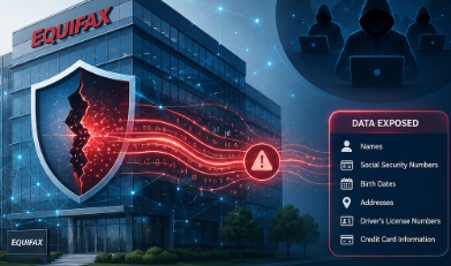 (Image created by Dalle – July 2026)
Playbook Lesson:
Delay turns an incident into a cost curve: once confidence breaks, recovery becomes longer, broader, and more expensive.
Contain the narrative before it scales
If you don’t define the story in the first 72 hours, the market will – and contagion becomes the multiplier.
In a crisis, the market forms meaning before facts are complete
- Silence is interpreted as loss of control.
- Technical depth without accountability reads as deflection.
- Fragmented messages signal leadership failure.
Reputational contagion spreads without proper management
- Investors and analysts anchor the first interpretation and repeat it.
- Customers amplify risk through peer networks, social, and renewals decisions.
- Media coverage compresses nuance into simple frames (blame, negligence, incompetence).
- Competitors use uncertainty to pull deals forward and widen doubt.
- Every hour without cadence increases speculation velocity.
Case Study:
Misreading the signal
United Airlines Flight 3411 (2017) – Passenger Removal Crisis
The Crisis – Viral video of a passenger forcibly removed turned an operational issue into a global leadership story.
United’s Response
- The first message minimized the human impact and used euphemistic language (“reaccommodating”), which made the company look defensive.
- Internal and external tones didn’t match, reinforcing the perception of misalignment.
- Only after backlash intensified did leadership pivot to a clearer apology and accountability posture.
- The narrative hardened into a leadership and values story, not an operational one.
Impact on the business – the story quickly became a leadership and values narrative (not an operations narrative), and reporting estimated about US $1.4B in market value erased as shares fell following the viral spread.
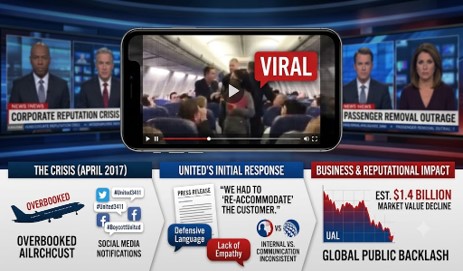 (Image created by Dalle – July 2026)
Playbook Lesson:
Your first message sets the verdict – defensiveness multiplies damage.
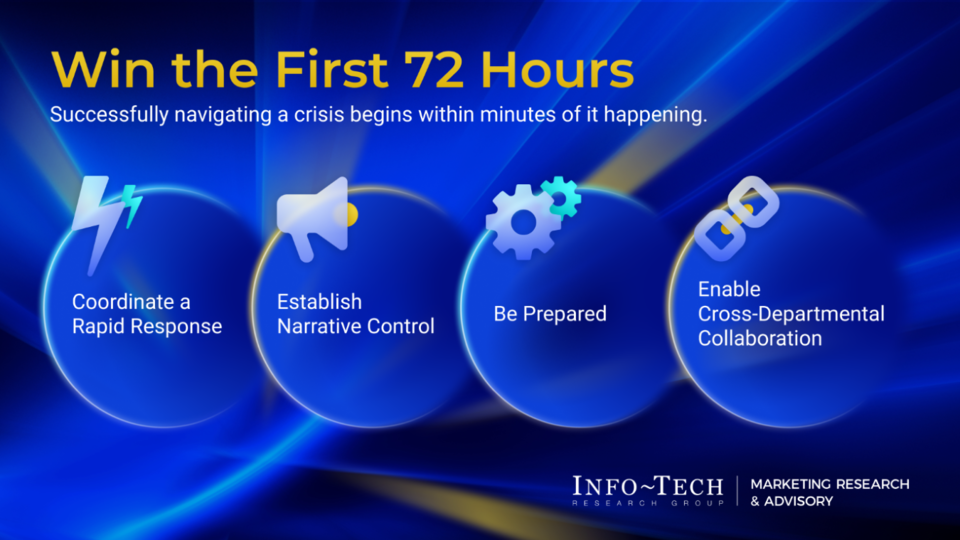
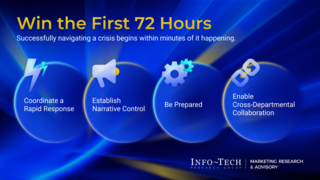
Win the first 72 hours
Successfully navigating a crisis begins within minutes of it happening.
Coordinate a Rapid Response
Immediate action in the first 72 hours can significantly influence stakeholder perceptions and maintain brand trust.Establish Narrative Control
Establishing a consistent narrative prevents misinformation and shapes public perception during a crisis.Enable Cross-Departmental Collaboration
Effective crisis management requires coordinated efforts across marketing and communications to ensure unified messaging.Be Prepared
Having a crisis communication plan with templated response plans ready allows for swift, clear messaging when time is critical.
“In the next crisis…capitalize on speed, credibility, transparency, and coordination.”
(Source: Center for Strategic & International Studies)
Establish the Crisis Playbook directed by marketing
Marketing is in the unique position of having the credibility, gravity, and overall corporate understanding to lead the planning for and actual crisis response.
Establish the Vision
To lead the industry in proactive crisis management and restore stakeholder trust swiftly in turbulent times.Define the Mission
To empower marketing teams with strategic tools and clear communication during the initial hours of a crisis.Communicate Values
Commitment to transparency, collaboration, and rapid response to safeguard our brand and stakeholder interests.
The CMO's Role in Crisis
- Lead Communication
Establish a consistent messaging framework to combat misinformation swiftly. - Stakeholder Alignment
Coordinate actions and responses across marketing and communications teams. - Monitor Narrative
Track media and public sentiment to refine messaging in real-time. - Engage Analysts
Involve financial analysts early to build confidence in crisis narratives.
What great crisis leadership looks like during a crisis
Speed, alignment, controlled transparency, and disciplined trust
- Speed over perfection: The CMO-led response should move quickly enough to prevent market speculation, while still distinguishing clearly between knowns, unknowns, and the next confirmed update.
- Alignment over volume: Crisis communication succeeds when every channel reinforces one coherent narrative; more messages do not help if executives, analysts, customers, and revenue teams hear different versions.
- Controlled transparency builds confidence: Trust is protected by sharing what can be responsibly confirmed, explaining what remains under investigation, and showing proof of change as resolution advances.
- Recovery is visible in stakeholder behavior: Success indicators include analysts referencing the leadership response positively, churn stabilizing faster, sales-cycle disruption shrinking, and executive confidence in readiness increasing.
Communicate With Clarity and Control
Prepared structure – not improvisation – stabilizes trust during a crisis.
 (Image created by Dalle 2026)
Plan Ahead
Establish crisis governance and response structure before disruption occurs.
- Build a cross-functional response team aligned with executive leadership.
- Define clear procedures, approval paths, and escalation mechanisms.
Align Communications
Standardize how information is distributed internally and externally.
- Designate primary communication channels (website, investor portal, team platforms).
- Use tools that enable rapid updates and two-way responsiveness.
Protect Transparency
Communicate accurately without creating information vacuums.
- Avoid suppressing employee communication in ways that signal instability.
- Provide timely, factual updates to external stakeholders and markets.
Maintain Consistency
Keep one coherent message across every channel.
- Align internal and external messaging to a single source of truth.
- Repeat key facts consistently so the narrative holds over time.
Communicate ethically under pressure
Ethical crisis messaging builds long-term trust but must be delivered with speed, clarity, and discipline.
“It takes 20 years to build a reputation and five minutes to ruin it.” — Warren Buffett
Ethical Benefits
- Builds Trust
Ethical communication strengthens stakeholders’ confidence during uncertainty. - Enhances Reputation
Transparency and honesty enhance long-term organizational credibility. - Promotes Accountability
Clear ethical standards encourage responsible decision-making across teams. - Improves Relationships
Ethical crisis response supports stronger partnerships with employees, customers, and regulators.
Execution Risks
- Time-Consuming Process
Ethical review and alignment may slow response if not planned. - May Lead to Misinterpretation
Messages can be misunderstood in high-stress, fast-moving environments. - Potential Backlash
Ethical decisions may conflict with public expectations or stakeholder emotions. - Information Overload
Over-communicating ethical detail can overwhelm audiences during crisis response.
Case Study:
Acting fast pays off
Johnson & Johnson – Tylenol Tampering (1982)
The Crisis: A small cluster of deaths revealed something terrifying: the product had been tampered with. Panic spread fast because consumers couldn’t tell which bottles were safe.
Johnson & Johnson Response
- Spoke and acted before certainty – warning the public immediately and treating safety as the priority.
- Escalated from local response to a nationwide recall, sending a clear messaging signal: “We will absorb the cost to protect people.”
- Kept the message simple and consistent: consumer safety first, updates on what was known, and what would happen next.
- Proved change – not just intent – by relaunching with tamper-evident packaging.
Impact on the business – After an initial share collapsed in the first weeks of the incident, trust was rebuilt through decisive action and visible prevention.
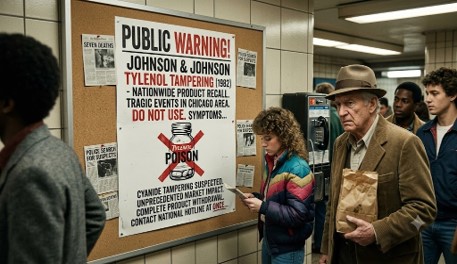 (Image created by Dalle – July 2026)
Playbook Lesson:
In the first 72 hours, credibility is built with decisive action: move fast, lead with safety, communicate with cadence, and show proof of change.
Info-Tech’s Methodology for Crisis Management
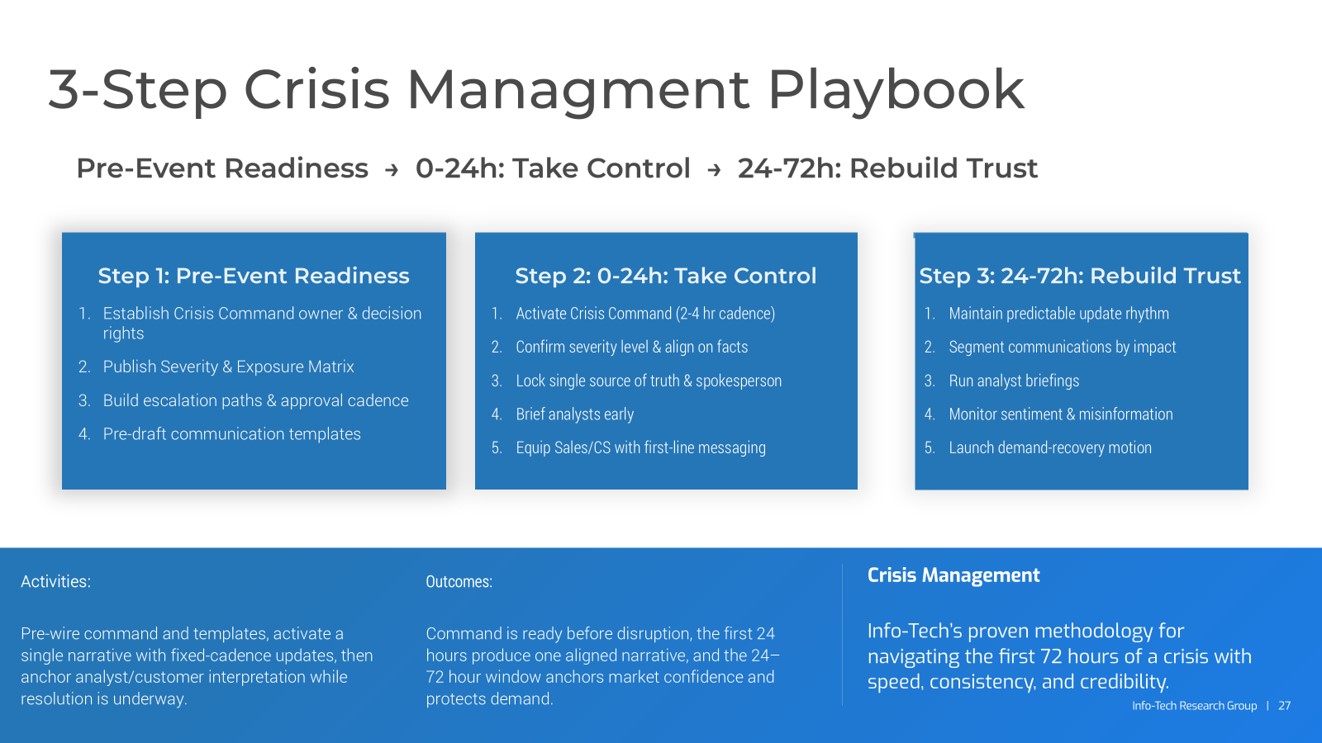
Step 1: Pre-Event Readiness | Step 2: 0-24 Hours – Stabilize and Take Control | Step 3: 24-72 Hours – Control Narrative & Protect Demand | |
Steps |
|
|
|
Outcomes | Crisis command is pre-wired – decision rights, escalation paths, severity triggers, and templates are ready, so the first response is fast and consistent. | Command is activated and the narrative is stabilized – one source of truth, clear cadence, and early analyst/customer confidence signals. | Narrative is controlled and recovery begins – predictable updates, demand protected, misinformation contained, and trust rebuilding motion launched. |
Overarching insight
Crises aren’t moments of confusion – they’re moments of judgment. The winners impose command, cadence, and credibility on uncertainty before the market does.
Pre-Event Planning
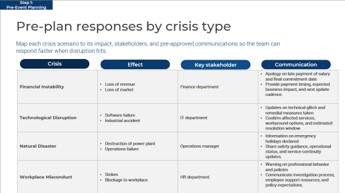
Planning turns chaos into execution by pre-setting decision rights, escalation paths, and messaging, so the first 72 hours move fast and stay aligned.
0-24 Hours
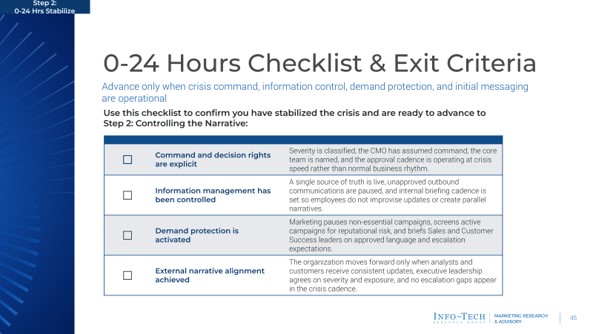
Take control fast, activate command, align on a single narrative, and signal leadership through cadence before the story hardens.
24-72 Hours
Rebuilding trust and demand proves change with concrete actions, consistent follow-through, and a recovery motion that outlasts the incident.
Lead with cadence, not completeness
Issue a short “knowns/unknowns/next update” message fast, then update on a fixed rhythm so stakeholders trust the process even while facts evolve.
Anchor the market narrative early
Brief priority analysts and equip Sales/CS with a single source of truth + objection scripts before media noise or frontline improvisation defines the story.
Crisis Management Playbook
Blueprint deliverables
Key deliverable
Analyst Briefing Template
The goal is to stabilize market confidence early and shorten the path from incident response to trust and demand recovery.
Summary of Accomplishment
By executing this blueprint, CMOs will:
Establish executive control during high-impact crises.
Protect brand trust and market confidence.
Reduce customer churn and revenue disruption.
Demonstrate crisis leadership credibility to the CEO and board.
This capability becomes institutional muscle that can be reused across future crises, strengthening the organization’s long-term resilience and executive confidence.
Crisis Management Playbook
- Defines guiding principles for executives (speed, alignment, controlled transparency) that shape decision‑making under uncertainty.
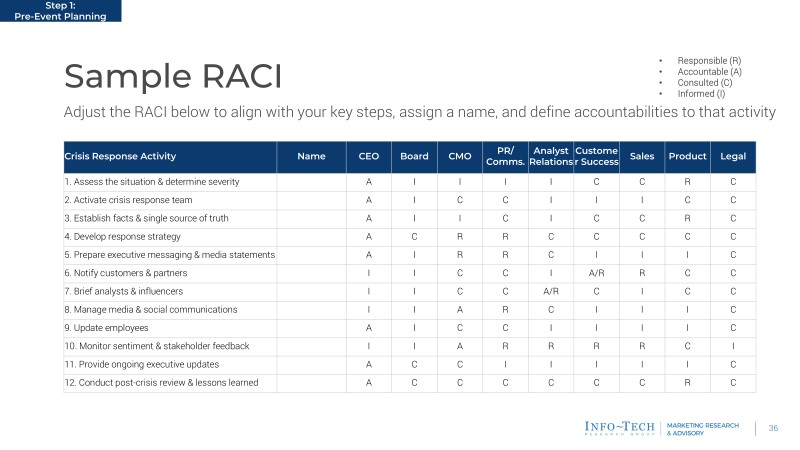
- Lays out a structured crisis communication and response model, clarifying roles, cadence, and expectations across leadership and stakeholders.
How These Slides Work
The slides that follow operationalize the Crisis Management Playbook (CMO-Led).
Each is tagged to its playbook phase — Pre-Event Readiness, then Step 1: Stabilize (0–24h), Step 2: Control the Narrative (24–72h), and Post-Crisis Recovery. Use this deck to brief and align stakeholders and map out the analyst presentation; the playbook remains the system of record for the detailed actions, checklists, RACI, and exit criteria.
About Info-Tech
Info-Tech Research Group is the world’s fastest-growing information technology research and advisory company, proudly serving over 30,000 IT professionals.
We produce unbiased and highly relevant research to help CIOs and IT leaders make strategic, timely, and well-informed decisions. We partner closely with IT teams to provide everything they need, from actionable tools to analyst guidance, ensuring they deliver measurable results for their organizations.
What Is a Blueprint?
A blueprint is designed to be a roadmap, containing a methodology and the tools and templates you need to solve your IT problems.
Each blueprint can be accompanied by a Guided Implementation that provides you access to our world-class analysts to help you get through the project.
Need Extra Help?
Speak With An Analyst
Get the help you need in this 3-phase advisory process. You'll receive multiple touchpoints with our researchers, all included in your membership.
Guided Implementation 1: Pre-Event
- Call 1: Define crisis exposure, executive objectives, and engagement scope.
- Call 2: Assess crisis readiness maturity across governance, speed, and narrative control.
- Call 3: Define your target-state crisis command model and leadership mandate.
Guided Implementation 2: 0-24 Hours: Stabilize & Take Control
- Call 1: Map your current response processes to required crisis capabilities.
- Call 2: : Identify narrative stabilization gaps and escalation bottlenecks.
- Call 3: Define risk scenarios and pressure-test executive decision rights.
Guided Implementation 3: 24-72 Hours: Control Narrative & Protect Demand
- Call 1: Design a 24-hour stabilization playbook and holding statements.
- Call 2: Build an analyst anchoring strategy and stakeholder messaging flows.
- Call 3: Develop a trust recovery motion and sentiment monitoring framework with defined metrics.
 Marketing Management Suite Software Selection Guide
 Build IT Capabilities to Enable Digital Marketing Success
 Develop Your Web Experience Management Strategy
 Optimize Lead Generation With Lead Scoring
 Create a Buyer Persona and Journey
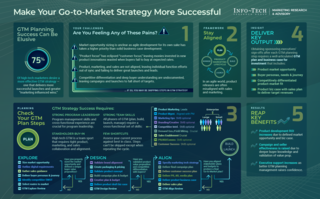 Build a More Effective Go-to-Market Strategy
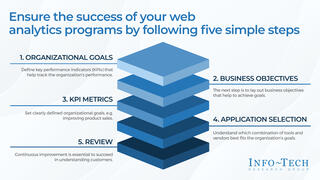 Leverage Web Analytics to Reinforce Your Web Experience Management Strategy
 2020 Applications Priorities Report
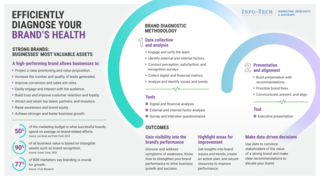 Diagnose Brand Health to Improve Business Growth
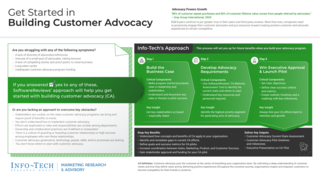 Get Started With Customer Advocacy
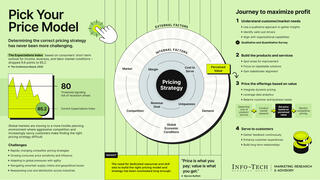 Pick Your Price Model
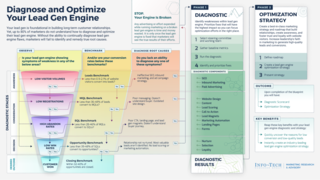 Diagnose and Optimize Your Lead Gen Engine
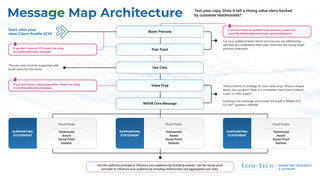 Develop the Right Message to Engage Buyers
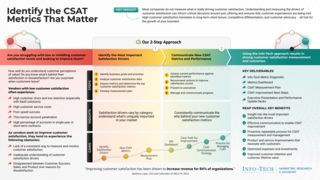 Identify the Customer Satisfaction Metrics That Matter
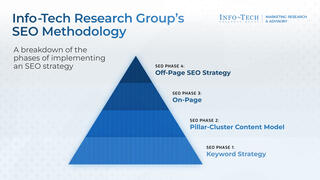 Create an Effective SEO Strategy
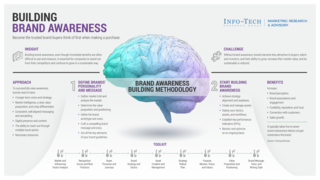 Accelerate Business Growth and Valuation by Building Brand Awareness
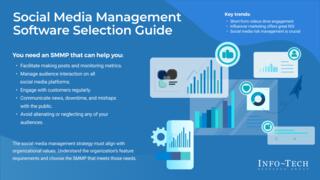 Social Media Management Software Selection Guide
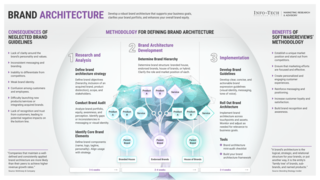 Build a More Effective Brand Architecture
 Build Competitive Intelligence for Market Success
 Create Assets to Accelerate the Buyer Journey
 Build Investor Awareness to Secure Next-Round Financing
 Brand Strategy: Establish and Cultivate a Flourishing Brand
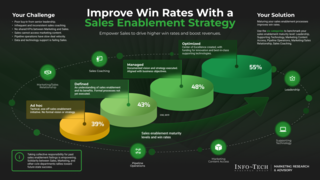 Improve Win Rates With a Sales Enablement Strategy
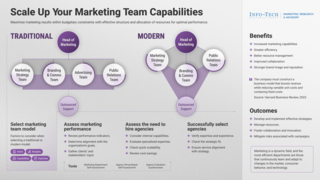 Scale Your Marketing Department
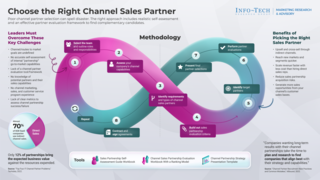 Choose the Right Channel Sales Partner
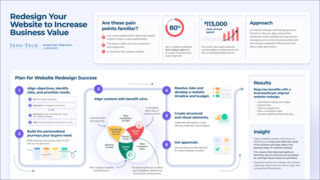 Redesign Your Website to Increase Business Value
 Build Your Account-Based Marketing Strategy
 Build a Strong Analyst Relations Foundation
 Improve External PR Communications for Greater Product Launch Success
 Turn Share of Voice Growth Into a Strategic Weapon
 Optimize the Right Metrics to Scale Your Business
 Leave a Lasting Impression With a Compelling Brand Identity
 Hire Your Marketing Dream Team
 Match Your Budget to Your Market Position
 Capitalizing on AI
 Generative AI Use Cases for Marketing, Sales, and Customer Service
 The AI Advantage for Smarter Marketing – A Primer
 Build, Buy, or Shut It Down
 Event Activation Playbook
 Crush Your Product Launch
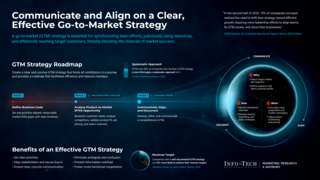 Go-to-Market Strategy on a Page
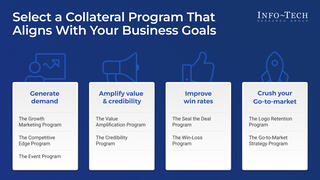 Maximize ROI on Sales and Marketing Collateral
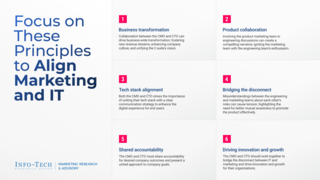 From Silos to Synergy: Create Marketing and IT Alignment
 Competitive Intelligence Software Selection Guide
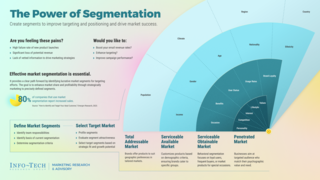 The Power of Segmentation
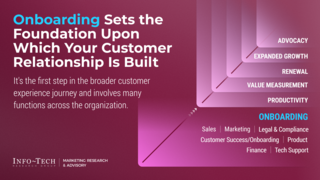 Revolutionize Your Customer Onboarding
 Search Engine Optimization Software Selection Guide
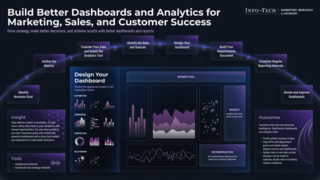 Build Better Dashboards Across Marketing, Sales, and Customer Success
 Make the Case for RevOps
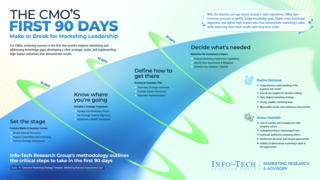 The First 90 Days as a CMO
 Stay Relevant in the Era of AI-Powered Search
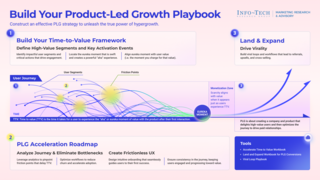 Build Your Product-Led Growth Playbook
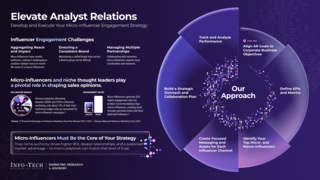 Elevate Analyst Relations
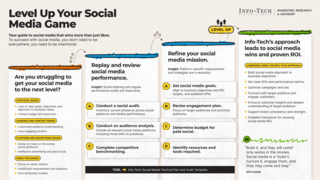 Level Up Your Social Media Game
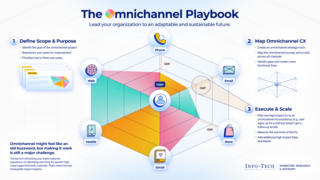 The Omnichannel Playbook
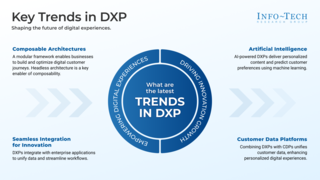 Digital Experience Platform Selection Guide
 Software Buyer Insights 2025
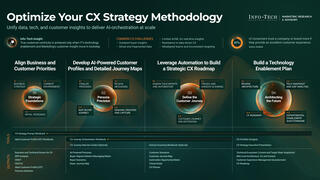 Optimize Your CX Strategy
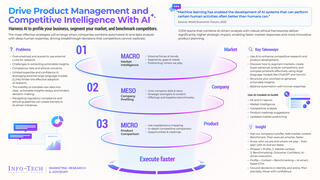 Drive Product & Market Planning With AI
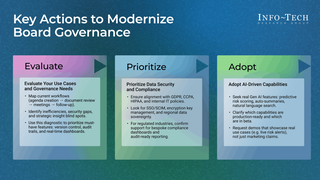 Board Management Software Selection Guide
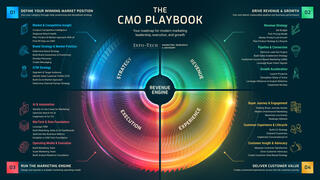 The CMO Playbook
 Position Your Brand Strategically as a Cost or Value Leader
 The Crisis Management Playbook
 Vendor Spotlight: Adobe CX Enterprise
 Accelerate Persona & Journey Mapping With AI