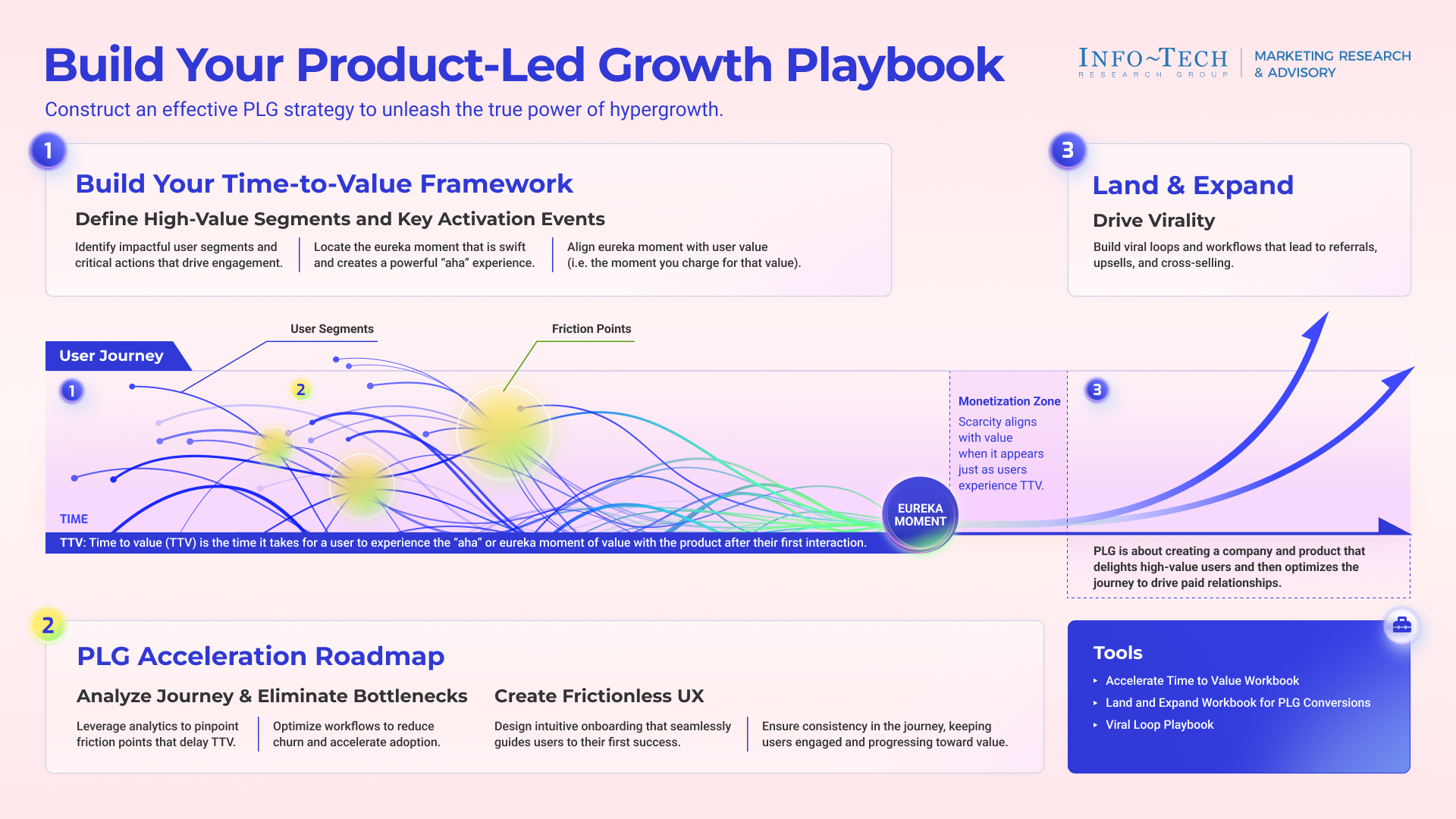
Build Your Product-Led Growth Playbook
Unlock the true power of hypergrowth with an effective PLG strategy.
Every company wants to delight their customers and turn those delighted customers into dollar signs. However, turning new users into loyal paying customers is often easier said than done. Without a strong product-led growth (PLG) strategy, companies experience the following:
- Slow time to value and declining renewal rates.
- Wasted time and resources on free trials that fail to generate real revenue.
- Inability to deliver a high-value product experience that drives conversion.
Our Advice
Critical Insight
Be ruthless in your focus. PLG is about building a company and product that delights high-value users, then optimizes their experience to drive revenue, transforming your go-to-market strategy into a growth engine.
Impact and Result
Fuel faster growth and stronger user engagement with Info-Tech’s PLG methodology. Our proven framework gives you the tools to connect product value with business outcomes, accelerate revenue, and reduce friction across the user journey.
We help you:
- Clearly identify where your product or service creates value for users and the business and align those moments to maximize impact.
- Master the balance between scarcity and value to capture more opportunities and prevent prospect loss.
- Simplify and streamline user acquisition, making it easier to convert new users with less effort.
- Track how quickly users realize value, so you can optimize experiences and drive long-term growth.
Our PLG approach turns your product into a powerful driver of acquisition, retention, and revenue.
Frequently Asked Questions
What is product-led growth (PLG) according to Info-Tech?
Info-Tech Research Group defines product-led growth (PLG) as building a company and product that delights high-value users, then optimizes their experience to drive revenue, transforming the go-to-market strategy into a growth engine. Info-Tech emphasizes that PLG is about being ruthless in focus, as it requires a company-wide commitment to prioritizing the user experience where growth doesn't rely on begging for referrals but instead leverages exclusivity and fear of missing out (FOMO) to fuel expansion, with the best PLG companies doubling growth rates and cutting customer acquisition costs by up to 50%.
What are the three most important principles of PLG according to Info-Tech?
Info-Tech Research Group identifies three overarching principles of product-led growth: Time to Value (TTV) is the time it takes for a user to experience the "aha!" or "eureka!" moment of value with the product after their first interaction, as delivering value fast is essential for PLG success; Alignment of Scarcity & Value occurs when limited access creates urgency, especially when tied to features that drive TTV, where charging before TTV means users won't pay and charging too late means giving value away; and Viral Loops happen when existing users attract new users creating exponential growth, though viral loops don't make bad products good but rather make good products grow faster.
Why do free trials fail without PLG strategy according to Info-Tech?
Info-Tech Research Group emphasizes that the dirty truth is that high-value users don't want to figure it out themselves, and if your product doesn't naturally have a great UX that almost immediately delivers TTV, then you will need to find a way to accelerate TTV for your premium users. Info-Tech explains that free trials aren't about giving stuff away but rather about helping clients get to value as quickly as possible, and if free trials have already failed organizations, they should focus on building an entry point that will ensure users reach TTV during the trial, as PLG helps companies shift their focus from vanity metrics (free users) to bottom-line revenue growth.
What tools does Info-Tech provide for building a PLG strategy?
Info-Tech Research Group provides four comprehensive tools for building product-led growth strategies: the Build Your Product-Led Growth Playbook Deck (a three-phase methodology that gives tools to create a PLG strategy driving revenue, accelerating adoption, and increasing retention), Accelerate Time to Value Workbook (helps teams reduce time to value by aligning onboarding, pricing, and segmentation with key value moments), Land and Expand Workbook for PLG Conversions (guides optimization of PLG conversions by tracking user behavior, refining engagement strategies, and driving expansion), and Viral Loop Playbook (helps teams build and embed viral loops using reward mechanics and FOMO with ready-to-use templates for social, email, and in-product sharing).
What are the seven stages of Info-Tech's PLG value framework?
Info-Tech Research Group's PLG TTV roadmap consists of seven stages: Stage 1 (Define Persona & Package) identifies the persona to define in the TTV framework; Stage 2 (Define Value) establishes what value means for both user and organization; Stage 3 (Identify Value Path) identifies key moments and milestones in the value path; Stage 4 (Define Metrics) establishes metrics, tracking mechanisms, and tools; Stage 5 (Optimize TTV) reduces friction and accelerates the time it takes to achieve value; Stage 6 (Monitor & Iterate) refines understanding of TTV and improves user experience; and Stage 7 (Post-TTV Value & Retention) ensures continued retention and product delight.
How does Info-Tech's Guided Implementation work for PLG development?
Info-Tech Research Group's Guided Implementation for Build Your Product-Led Growth Playbook includes three implementation tracks over 10 touchpoints: Phase 1 (Quicken time to value) includes 3 calls covering PLG strategy goals, high-value user segments, activation triggers, and alignment of segments with pricing tiers; Phase 2 (Build a PLG acceleration roadmap) includes 3 calls reviewing value path, assessing package TTV performance, identifying revenue-driving features, and using the PLG Competitive Scenario Planner; and Phase 3 (Land and expand) includes 4 calls defining gated access, identifying emotional anchors, outlining viral loop workflows, and launching the finalized PLG strategy.
What examples does Info-Tech provide of successful PLG companies?
Info-Tech Research Group highlights four successful PLG companies with specific wins: Slack's PLG win is that feedback loops improve product adoption as users naturally expand team usage; Zoom's PLG win is that customer acquisition cost is minimized through a freemium model that spreads virally; Calendly's PLG win is that scarcity is leveraged to drive conversions by limiting free-tier features to push upgrades; and Figma's PLG win is that value is maximized by allowing full-featured free usage that encourages team upgrades, demonstrating that PLG has been successfully deployed across many software companies.
What are common obstacles to PLG success according to Info-Tech?
Info-Tech Research Group identifies five common obstacles when companies try to adopt a PLG model: people think PLG is just about free trials or freemiums instead of an entire value strategy; TTV is the most important PLG metric across the board, but many organizations struggle to understand how their customers perceive value; siloed teams create a lack of alignment that hinders true PLG success; the viral coefficient isn't measured or set as an objective; and leadership overlooks PLG for traditional Sales-led models. Info-Tech emphasizes that the biggest myth in PLG is that it's about saving money by reducing sales headcount, when it's actually about the commitment to continually delighting customers.
What is the relationship between PLG and Sales teams according to Info-Tech?
Info-Tech Research Group explains that PLG will change how organizations work and acquire customers, but companies shouldn't fire Sales yet, as in larger and more complex products there is normally some mix of Sales-led motions along with PLG. Info-Tech emphasizes that successful companies understand that in PLG, teams are cross-functional and use data to make better decisions; there is heavy investment in building a better product, feedback mechanisms, and unified teams; there is normally some aspect of self-serve with a quick TTV; and there is virality because users love the product, with teams that use PLG having the power to create real value and delight their customers leading to exponential demand generation.
How does Info-Tech recommend creating FOMO in PLG strategies?
Info-Tech Research Group recommends three strategies for creating fear of missing out (FOMO) in PLG: focus on success stories by creating a sense of FOMO with compelling success stories and significant milestones highlighting impressive revenue growth and time savings, which creates urgency that encourages adoption by showing that those who hesitate will be left behind; follow the yellow brick road (upgrade path) by calling out prominent feature gaps in the freemium dashboard and gently pushing users toward upgrading to a paid plan; and frame the product as premium and exclusive, not another free or low-cost option, making users feel upgrading is the intelligent, high-value decision.
What are Info-Tech's PLG do's and don'ts for high-value segments?
Info-Tech Research Group provides clear guidance for prioritizing high-value segments: PLG do's include targeting the practitioner (not just the executive) by building for end users who will love and champion the product, betting on power users by finding segments where 20% of users drive 80% of the use, and making activation seamless while building collaborative features to encourage sharing; PLG don'ts include relying on sales to close the value gap (if product growth requires someone else to explain the product's value, it isn't product-led), trying to convert everyone (if your product isn't built for them, don't waste resources chasing them), and focusing on vanity signups (acquiring users is pointless if they don't stay engaged and expand into paying accounts).
How does PLG apply across different industries according to Info-Tech?
Info-Tech Research Group emphasizes that PLG creates long-term differentiation through customer-focused outcomes across every industry: Professional Services can streamline client engagement with self-serve portals, automation, and digital-first service delivery; High-Tech Vendors can drive viral adoption through usage-based pricing, freemiums, and value before cost; Manufacturing can accelerate product adoption and usage with interactive demos, digital twins, and automated workflows; Government can empower constituents with digital-first engagement, online applications, and automated user education; and Healthcare can enable clinicians with self-serve and digital tools, direct-to-clinician adoption, and peer-to-peer sharing.
What is Info-Tech's insight about slow TTV and revenue impact?
Info-Tech Research Group emphasizes that slow TTV is revenue death, explaining that quicker TTV leads to more conversions, which lead to more referrals, which lead to higher revenue. Info-Tech identifies that the magic of PLG isn't about giving something away for free to trick people into buying your product but instead is about getting to value faster and more consistently. The framework demonstrates that when companies deliver value faster, they don't just win one user but win entire organizations through the exponential effect of accelerated time to value.
What are the key elements of the eureka moment in PLG according to Info-Tech?
Info-Tech Research Group defines five key elements for creating the eureka moment: Define High-Value Segments & Key Activation Events by identifying the most impactful user segments and critical actions that drive engagement while aligning key activation moments with user value and gated access points; ensure The User's Eureka Moment is swift and creates a powerful "aha" experience; Analyze Journey & Eliminate Bottlenecks by leveraging analytics to pinpoint friction points that delay value realization and optimizing workflows to reduce churn; Create Frictionless UX by designing intuitive onboarding that seamlessly guides users to their first success; and Drive Virality by building viral loops and workflows that lead to referrals, upsells, and cross-selling.
Who authored Info-Tech's Build Your Product-Led Growth Playbook?
Info-Tech Research Group's Build Your Product-Led Growth Playbook was authored by Terra Higginson (Principal Research Director, Info-Tech Research Group), with contributions from Ran Chen (Head of Product Growth, Amplitude), Brent Kostak (Sr. Product Marketing Manager, Adobe), Russell Martin (Analyst Relations, Pendo), and Klassjan Tukker (Sr. Director Product Marketing, Adobe Experience Platform, Adobe). Higginson emphasizes that PLG requires understanding fundamental value principles, noting that high-value users won't waste time figuring out a complex product with lengthy time to value, and if the user experience doesn't create a clear "aha" or "eureka" moment before asking for payment, organizations risk PLG failure.
Build Your Product-Led Growth Playbook
Construct an effective PLG strategy to unleash the true power of hypergrowth.
Analyst perspective
Product-led growth (PLG) has fueled some of the world’s fastest-growing and most well‑known companies, doubling growth rates and cutting customer acquisition costs by up to 50%.
If PLG is so effective, why isn’t everyone adopting it? The answer is simple: Many managers don’t understand the fundamental value principles needed to unlock product-led growth. The hard truth behind many failures is that “free” isn’t actually free.
The reality is that high-value users won’t waste their time trying to figure out a complex product with a lengthy time to value. If your user experience doesn’t create a clear "aha" or "eureka" moment before you ask for payment, you risk setting yourself up for PLG failure.
At its core, PLG requires a company-wide commitment to prioritizing the user experience. Growth shouldn’t rely on begging for referrals – a tactic that reeks of desperation and weakens the viral coefficient. Instead, the best PLG companies leverage exclusivity and fear of missing out (FOMO) to fuel expansion.

Terra Higginson
Principal Research Director
Info-Tech Research Group
Executive summary
|
Pain Points |
Obstacles |
Info-Tech’s Approach |
|---|---|---|
|
Every company wants to delight their customers and turn those delighted customers into dollar signs. However, turning new users into loyal paying customers is easier said than done. Without a strong product-led growth strategy, companies experience the following:
|
Free trials alone aren’t going to drive real demand. Product-led growth will, but even after years, many companies fail to see measurable success. This occurs because of these common obstacles:
|
Info-Tech’s methodology for building your product-led growth playbook will give you practical and proven tools to:
|
Analyst Tip!
Stop chasing basic vanity metrics. Focus on your North Star PLG metrics for real and sustained revenue growth.
The three most important principles of PLG
The three overarching principles of product-led growth center on accelerating the time it takes for users to experience value, creating scarcity that drives urgency and conversions, and leveraging viral loops to transform individual users into advocates. When you deliver value faster, you don’t just win one user, you win entire organizations.
Value, scarcity & timing
Understanding when and how to charge is the art of aligning scarcity with value. Hit the TTV sweet spot, where users see enough to want more but need to pay to unlock it, and turn desire into revenue.
|
Time to Value (TTV) |
Alignment of Scarcity & Value |
Viral Loops |
|---|---|---|
|
TTV is the time it takes for a user to experience the “aha!” or “eureka!” moment of value with the product after their first interaction. If your product can’t deliver value quickly, your users will leave before you even have a chance to impress them. In PLG, delivering value fast is essential for success. |
Scarcity aligns with value when limited access creates urgency, especially when tied to features that drive TTV. How many demos should you give? When should free end and paid begin? The answer lies in knowing where TTV starts and in engineering scarcity and emotional hooks into the experience. Charge before TTV, and users won’t pay. Charge too late, and you’re giving value away. |
Virality happens when existing users attract new users, creating exponential growth. Viral loops don’t make bad products good; they make good products grow faster. If your product isn’t worth sharing, no referral program will save it. |
PLG flips the switch on growth
PLG isn’t about growing just a little. It’s about building an unstoppable and difficult-to-copy growth acceleration machine. PLG maximizes revenue growth, reduces competitive risk, and helps you scale your growth efficiently.
Customer acquisition cost is minimized once virality is established.
Feedback loops improve product, service, and organization.
Value is maximized.
Scarcity is leveraged to drive conversions by ensuring users experience value before monetization.
Decisions are made based on data, not ego.
Profits are protected through the product’s unique value.
Free trials don’t work without user value
If free trials have already failed you, focus on building an entry point that will ensure your users reach TTV during the trial.
Fact: The dirty truth is that high-value users don’t want to figure it out themselves. If your product doesn’t naturally have a great UX that almost immediately delivers TTV, then you will need to find a way to accelerate TTV for your premium users.
Fact: PLG helps companies shift their focus from vanity metrics (free users) to bottom-line revenue growth.
Free trials aren’t about giving stuff away but rather about helping clients get to value as quickly as possible.
PLG is everywhere, and you’ve probably already been part of it
PLG has been successfully deployed across many software companies. You may not even realize it, but you might have already been involved in PLG motion.

PLG win: Feedback loops improve product adoption as users naturally expand team usage. |
PLG win: Customer acquisition cost is minimized through a freemium model that spreads virally. |
|
PLG win: Scarcity is leveraged to drive conversions, limiting free-tier features to push upgrades. |
PLG win: Value is maximized by allowing full-featured free usage that encourages team upgrades. |


PLG fails when time to value and virality fall short
Obstacles abound when companies try to adopt a PLG model. There are misunderstandings about what it takes to become a PLG company. We see these common obstacles:
- People think PLG is just about free trials or freemiums, instead of an entire value strategy.
- TTV is the most important PLG metric across the board, but many organizations struggle to understand how their customers perceive value.
- Siloed teams create a lack of alignment that hinders true PLG success.
- The viral coefficient isn’t measured or set as an objective.
- Leadership overlooks PLG for traditional Sales-led model
The biggest myth in PLG
Many people think that PLG is about saving a few bucks by reducing sales headcount. That’s totally wrong. PLG isn’t about cutting costs. It’s about the commitment to continually delighting your customers.
PLG will change how you work and acquire customers, but don’t fire Sales yet
Transform the way your organization creates demand with PLG. In larger and more complex products, there is normally some mix of Sales-led motions along with your PLG. Successful companies build these key principles into their understanding of PLG:
- In PLG, teams are cross-functional and use data to make better decisions about their product.
- In PLG, there is a heavy investment in building a better product, feedback mechanisms, and unified teams.
- In PLG, there is normally some aspect of self-serve with a quick TTV. We define TTV as the time it takes for the user to have their “aha!” or “eureka!” moment, and it normally aligns with a metric that indicates value has occurred.
- In PLG, there is virality because users love the product.
Teams that use PLG have the power to create real value and delight their customers, which leads to virality and an exponential increase in demand generation.
PLG is a growth engine for every industry
PLG creates long-term differentiation through customer-focused outcomes that become embedded in the organization’s DNA.
Professional Services
Streamline client engagement with self-serve portals, automation, and digital-first service delivery.
High-Tech Vendors
Drive viral adoption through usage-based pricing, freemiums, and value before cost.
Manufacturing
Accelerate product adoption and usage with interactive demos, digital twins, and automated workflows.
Government
Empower constituents with digital-first engagement, online applications, and automated user education.
Healthcare
Enable clinicians with self-serve and digital tools, direct-to-clinician adoption and peer-to-peer sharing.
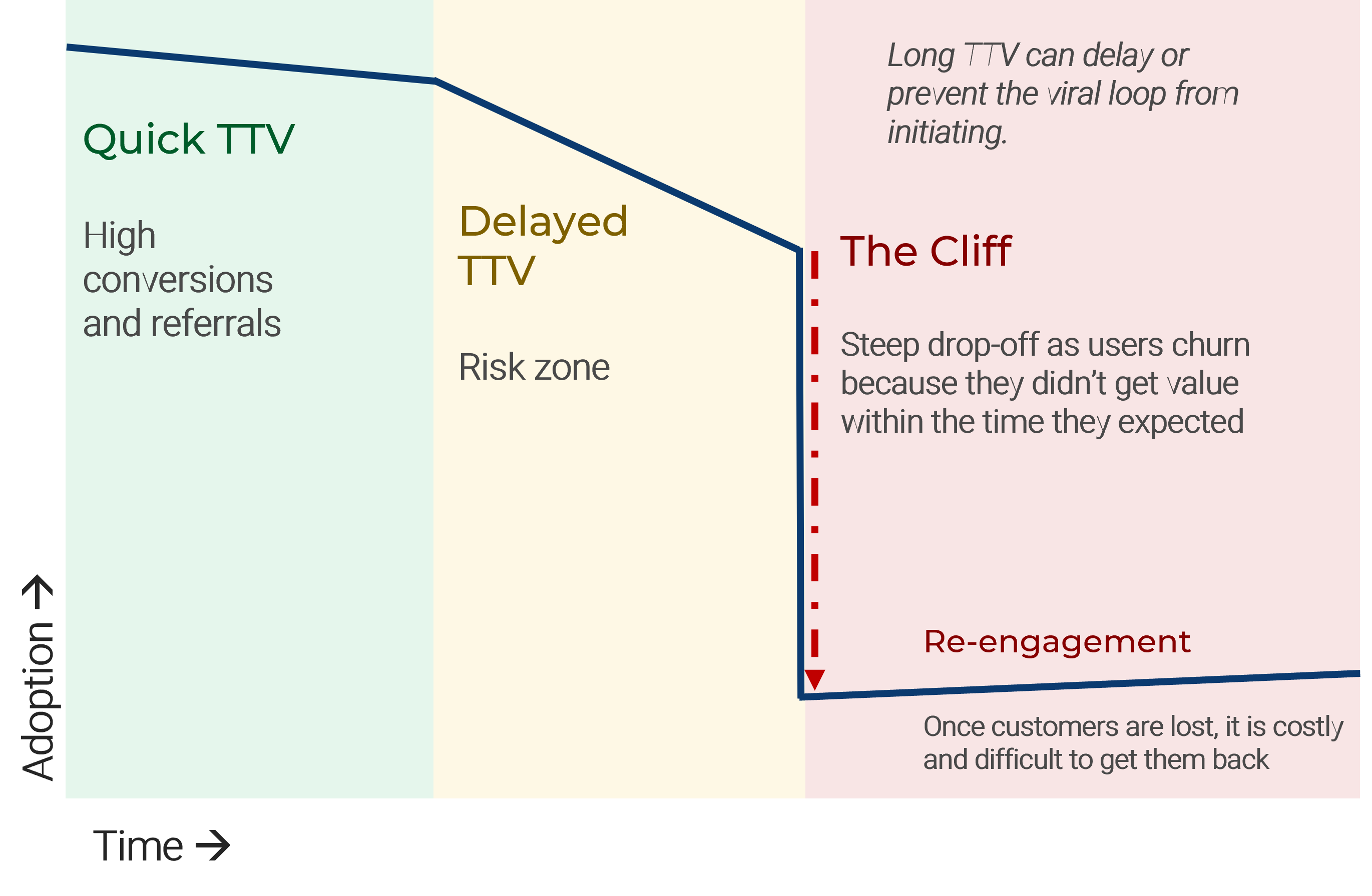
Slow TTV is revenue death
Quicker TTV leads to more conversions, which lead to more referrals, which lead to higher revenue.
Getting to value faster
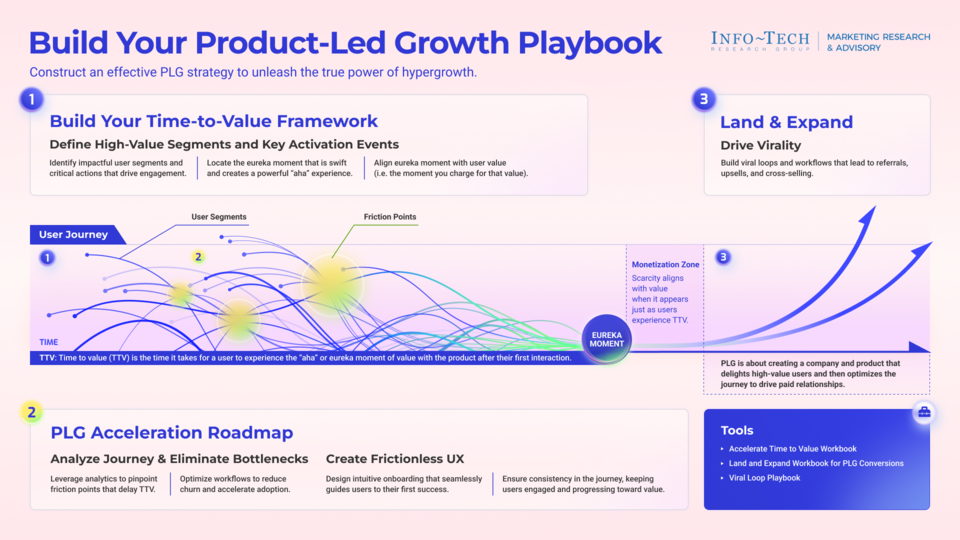
The magic of PLG isn’t about giving something away for free to trick people into buying your product. Instead, it is about getting to value faster and more consistently. Here are the seven stages to PLG value.
|
Stage 7: Post-TTV Value & Retention Stage 6: Monitor & Iterate Stage 5: Optimize TTV Stage 4: Define Metrics Stage 3: Identify Value Path Stage 2: Define Value Stage 1: Define Persona & Package |
Info-Tech Research Group’s PLG TTV roadmap |

The magic happens at the eureka moment
Define how and where value occurs, as well as what prospects truly want and are willing to pay for to drive explosive PLG revenue growth.
Define High-Value Segments & Key Activation Events
- Identify the most impactful user segments and the critical actions that drive engagement.
- Align key activation moments with user value and gated access points (i.e. the moment you charge for that value).
The User’s Eureka Moment
The moment of value must be swift and create a powerful "aha" experience for users.
Analyze Journey & Eliminate Bottlenecks
- Leverage analytics to pinpoint friction points that delay value realization.
- Optimize workflows to reduce churn and accelerate adoption.
Create Frictionless UX
- Design intuitive onboarding that seamlessly guides users to their first success.
- Ensure consistency in the journey, keeping users engaged and progressing toward value.
Drive Virality
Build viral loops and workflows that lead to referrals, upsells, and cross-selling.
How to create FOMO in PLG
No one wants to be left behind. Make users fear that if they don’t use your product or service, then they are missing out.
Focus on success stories
Create a sense of FOMO with compelling success stories and significant milestones, highlighting impressive revenue growth and time savings. This creates an urgency that encourages adoption by showing that those who hesitate will be left behind.
Follow the yellow brick road (aka upgrade path)
Call out prominent feature gaps in the freemium dashboard and gently push users toward upgrading to a paid plan.
Premium, not cheap
Lastly, frame the product as premium and exclusive, not another free or low-cost option. Make users feel upgrading is the intelligent, high-value decision.
Ruthlessly prioritize high-value segments
PLG for everyone is actually PLG for no one. It seems obvious, but it bears repeating that high-value segments are your money-makers. You aren’t building a product or a service for everyone. You are building it for your high-value segment. The best PLG strategies prioritize the right users, create immediate value, and design paths to organic growth.
When companies get serious about prioritizing high-value customers, we see increased retention and reduced churn for those that both gain and provide real value through your product.
|
PLG do’s |
PLG don’ts |
|---|---|
|
|
About Info-Tech
Info-Tech Research Group is the world’s fastest-growing information technology research and advisory company, proudly serving over 30,000 IT professionals.
We produce unbiased and highly relevant research to help CIOs and IT leaders make strategic, timely, and well-informed decisions. We partner closely with IT teams to provide everything they need, from actionable tools to analyst guidance, ensuring they deliver measurable results for their organizations.
What Is a Blueprint?
A blueprint is designed to be a roadmap, containing a methodology and the tools and templates you need to solve your IT problems.
Each blueprint can be accompanied by a Guided Implementation that provides you access to our world-class analysts to help you get through the project.
Need Extra Help?
Speak With An Analyst
Get the help you need in this 3-phase advisory process. You'll receive multiple touchpoints with our researchers, all included in your membership.
Guided Implementation 1: Quicken time to value
- Call 1: Discuss the goals for your PLG strategy. Review the Accelerate Time to Value Workbook.
- Call 2: Identify high-value user segments, key activation triggers, and critical moments that lead to conversion, as well as essential PLG metrics.
- Call 3: Align user segments with pricing tiers, goals, and expected outcomes for PLG.
Guided Implementation 2: Build a PLG acceleration roadmap
- Call 1: Review your value path. Then, assess package TTV performance by segment.
- Call 2: Identify revenue-driving features. Analyze the relationship between user engagement with specific features, the time it takes to achieve value, and the perceived value.
- Call 3: Use the PLG Competitive Scenario Planner to evaluate growth interventions, analyze their impact on key metrics, and prioritize actions by ROI, cost, and timeline.
Guided Implementation 3: Land and expand
- Call 1: Define gated access, upgrade triggers, and upsell paths to maximize conversion.
- Call 2: Identify the emotional anchors that reinforce product value and drive user retention. Develop automated engagement triggers.
- Call 3: Outline the viral loop workflows, gamification elements, and strategies to increase organic growth.
- Call 4: Launch the finalized PLG strategy and begin tracking success metrics.
Contributors
- Ran Chen, Head of Product Growth, Amplitude
- Brent Kostak, Sr. Product Marketing Manager, Adobe
- Russell Martin, Analyst Relations, Pendo
- Klassjan Tukker, Sr. Director Product Marketing, Adobe Experience Platform, Adobe
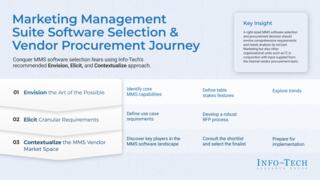 Marketing Management Suite Software Selection Guide
 Build IT Capabilities to Enable Digital Marketing Success
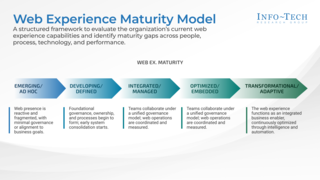 Develop Your Web Experience Management Strategy
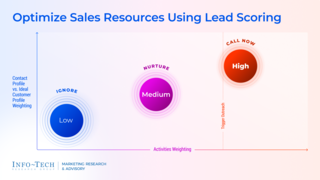 Optimize Lead Generation With Lead Scoring
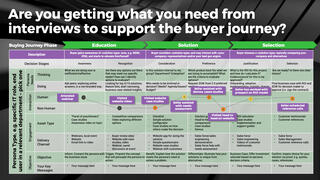 Create a Buyer Persona and Journey
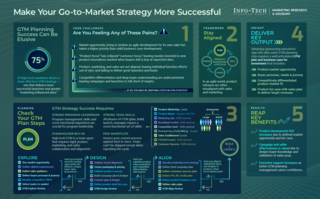 Build a More Effective Go-to-Market Strategy
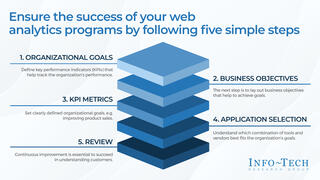 Leverage Web Analytics to Reinforce Your Web Experience Management Strategy
 2020 Applications Priorities Report
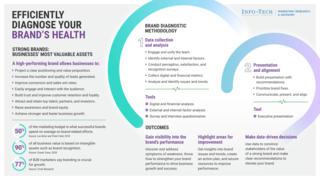 Diagnose Brand Health to Improve Business Growth
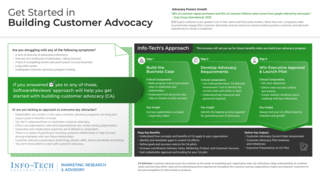 Get Started With Customer Advocacy
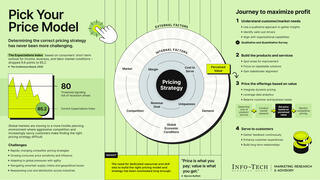 Pick Your Price Model
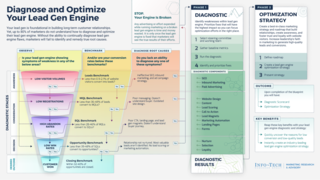 Diagnose and Optimize Your Lead Gen Engine
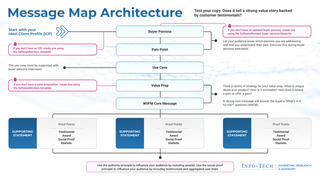 Develop the Right Message to Engage Buyers
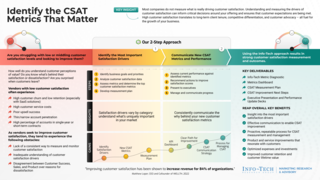 Identify the Customer Satisfaction Metrics That Matter
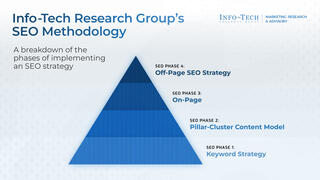 Create an Effective SEO Strategy
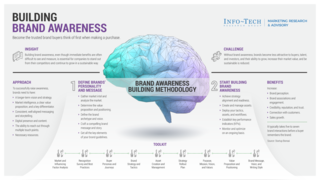 Accelerate Business Growth and Valuation by Building Brand Awareness
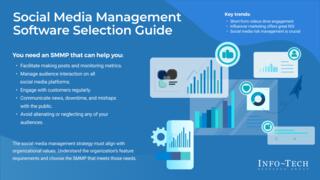 Social Media Management Software Selection Guide
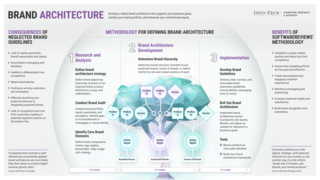 Build a More Effective Brand Architecture
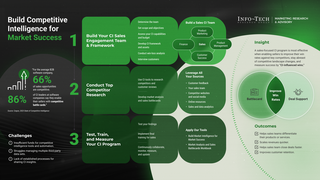 Build Competitive Intelligence for Market Success
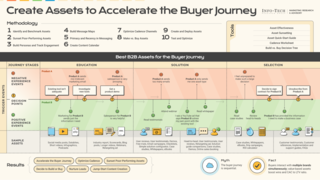 Create Assets to Accelerate the Buyer Journey
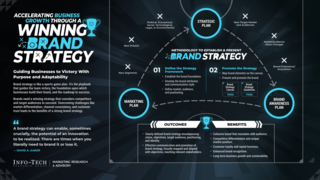 Brand Strategy: Establish and Cultivate a Flourishing Brand
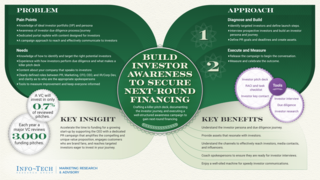 Build Investor Awareness to Secure Next-Round Financing
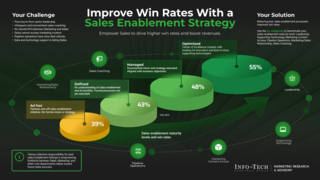 Improve Win Rates With a Sales Enablement Strategy
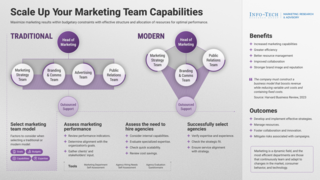 Scale Your Marketing Department
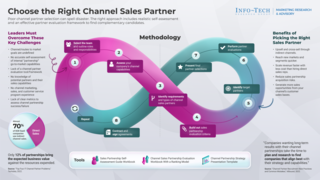 Choose the Right Channel Sales Partner
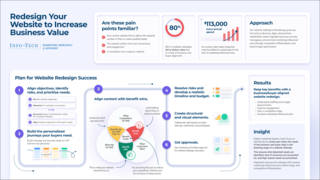 Redesign Your Website to Increase Business Value
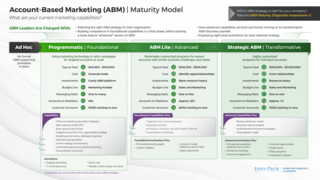 Build Your Account-Based Marketing Strategy
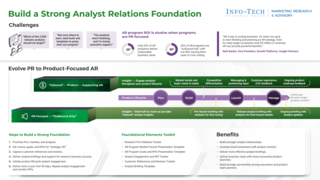 Build a Strong Analyst Relations Foundation
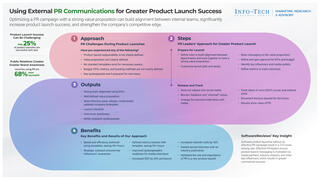 Improve External PR Communications for Greater Product Launch Success
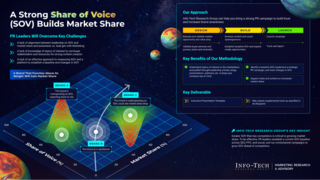 Turn Share of Voice Growth Into a Strategic Weapon
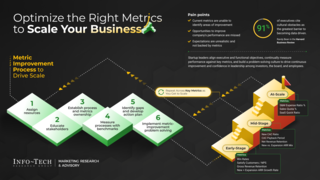 Optimize the Right Metrics to Scale Your Business
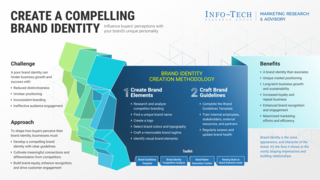 Leave a Lasting Impression With a Compelling Brand Identity
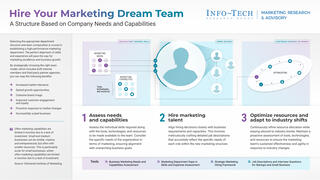 Hire Your Marketing Dream Team
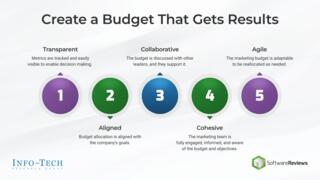 Match Your Budget to Your Market Position
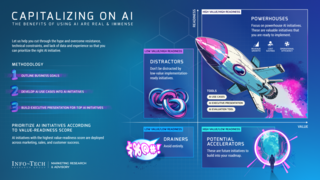 Capitalizing on AI
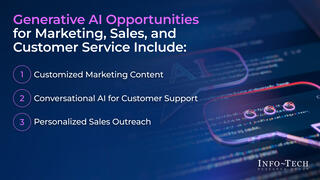 Generative AI Use Cases for Marketing, Sales, and Customer Service
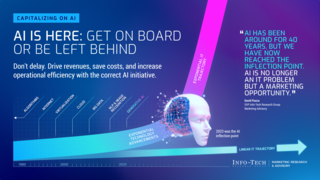 The AI Advantage for Smarter Marketing – A Primer
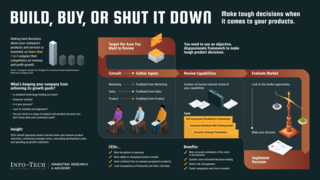 Build, Buy, or Shut It Down
 Event Activation Playbook
 Crush Your Product Launch
 Go-to-Market Strategy on a Page
 Maximize ROI on Sales and Marketing Collateral
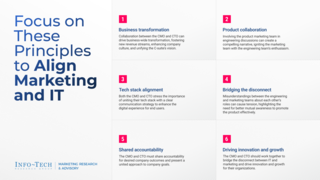 From Silos to Synergy: Create Marketing and IT Alignment
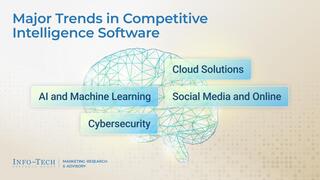 Competitive Intelligence Software Selection Guide
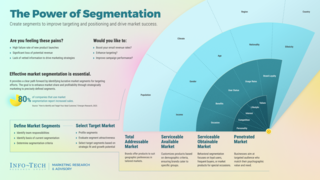 The Power of Segmentation
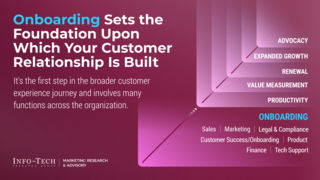 Revolutionize Your Customer Onboarding
 Search Engine Optimization Software Selection Guide
 Build Better Dashboards Across Marketing, Sales, and Customer Success
 Make the Case for RevOps
 The First 90 Days as a CMO
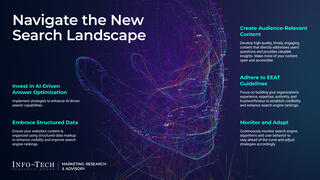 Stay Relevant in the Era of AI-Powered Search
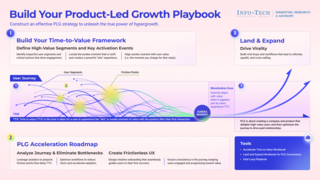 Build Your Product-Led Growth Playbook
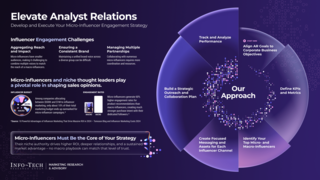 Elevate Analyst Relations
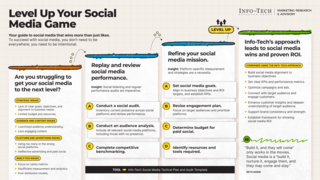 Level Up Your Social Media Game
 The Omnichannel Playbook
 Digital Experience Platform Selection Guide
 Software Buyer Insights 2025
 Optimize Your CX Strategy
 Drive Product & Market Planning With AI
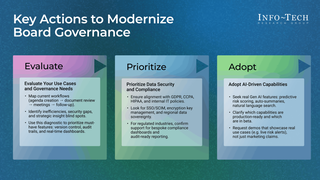 Board Management Software Selection Guide
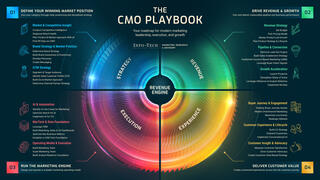 The CMO Playbook
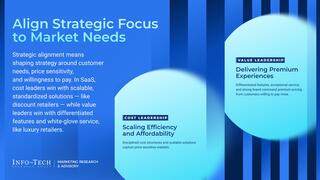 Position Your Brand Strategically as a Cost or Value Leader
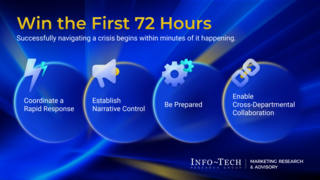 The Crisis Management Playbook