Transform Infrastructure Delivery Through Platform Engineering
Design a scalable operating model for standardized, self-service infrastructure.
Traditional ticket-driven infrastructure models are struggling to keep pace with demands for faster delivery, stronger governance, and greater operational consistency. Platform engineering addresses these challenges by turning common infrastructure needs into standardized, reusable services that reduce manual effort and delays. This research helps organizations approach platform engineering as a progression, building the operating model, governance, and capabilities needed to expand automation and self-service, accelerate delivery, and improve consistency.
Platform engineering changes how infrastructure is delivered by making common needs easier and faster to fulfill without handling every request from scratch. Treating the platform as an internal product shifts infrastructure from one-off requests toward reusable capabilities with defined ownership, embedded governance, and measurable outcomes. Organizations can then expand automation and self-service as platform maturity and adoption increase.
1. Platform engineering is an operating model.
Platform engineering shifts infrastructure from a reactive, ticket-driven function to a standardized, product-oriented capability. Success depends on defined ownership, embedded governance, and reusable platform capabilities that teams can consume consistently and at scale.
2. Standardization creates the foundation for self-service.
Automation without standardization only accelerates inconsistency. Establishing reusable patterns, governance guardrails, and common platform capabilities enables organizations to scale automation and self-service while improving delivery speed and operational consistency.
3. Business outcomes define platform success.
Platform engineering should be measured by the value it delivers to the organization, including improved developer experience, increased adoption, faster delivery, greater operational reliability, and stronger governance. These outcomes provide the evidence needed to continuously improve the platform and justify future investment.
Use this guide to develop your platform engineering roadmap.
This research provides a structured, progressive methodology for transforming infrastructure delivery through platform engineering. It guides organizations from current-state assessment and platform service selection through standardization, productization, self-service, and value measurement. The accompanying Infrastructure Platform Engineering Operating Model Assessment & Design Workbook helps organizations apply the methodology through guided assessments and planning activities, translating platform engineering decisions into maturity scores, priorities, governance models, and a phased implementation roadmap. Use this research and workbook to:
- Assess your organization’s platform engineering readiness and current-state maturity.
- Identify and prioritize platform services based on organizational needs and strategic value.
- Define platform ownership, governance, and shared responsibilities across key stakeholders.
- Establish the standards and automation foundations needed to enable secure self-service.
- Develop a measurable implementation roadmap aligned with organizational readiness and business priorities.
Transform Infrastructure Delivery Through Platform Engineering
Design a scalable operating model for standardized, self-service infrastructure.
Analyst perspective
Platform engineering is a progression, not a technology deployment.
Organizations achieve sustainable platform engineering by progressively building standardized capabilities, governance, and operating models before expanding automation and self-service. Following a structured approach reduces implementation risk, improves consistency, and establishes a platform that delivers measurable value to both engineering teams and the business.
The objective is not to implement every capability at once, but to build a sustainable foundation that supports long-term growth. By treating the platform as an internal product and aligning investments with organizational maturity, technology priorities, and business outcomes, organizations can accelerate delivery, improve developer experience, strengthen governance, and continuously evolve platform capabilities as adoption increases.

John Donovan
Principal Research Director, I&O
Info-Tech Research Group
Executive Summary
The Challenge
Organizations are under increasing pressure to deliver infrastructure faster while improving governance, security, and operational consistency.
Traditional ticket-driven operating models struggle to scale, resulting in delivery bottlenecks, inconsistent environments, and limited opportunities for automation and self-service.
Common Obstacles
- Undefined platform engineering ownership and operating model.
- Inconsistent infrastructure standards and reusable patterns.
- Limited automation and self-service capabilities.
- Governance and shared responsibility gaps.
- Difficulty measuring platform adoption and business value.
Our Approach
This methodology enables organizations to:
- Assess organizational readiness and maturity.
- Define platform capabilities and ownership.
- Establish governance and shared responsibility.
- Enable standardized automation and self-service.
- Develop a measurable implementation roadmap.
Key Insight
Platform engineering succeeds when organizations transform the operating model, not just the technology. By standardizing platform capabilities, defining ownership, and embedding governance, organizations create a scalable foundation that accelerates delivery, enables self-service, and delivers measurable business value.
Common obstacles
Industry trends reinforce the need for platform engineering.
Missing delivery deadlines
44% of developers report missing delivery deadlines because of technical inefficiencies, including platform outages, poor documentation, and tool integration issues. (Source: ITPro)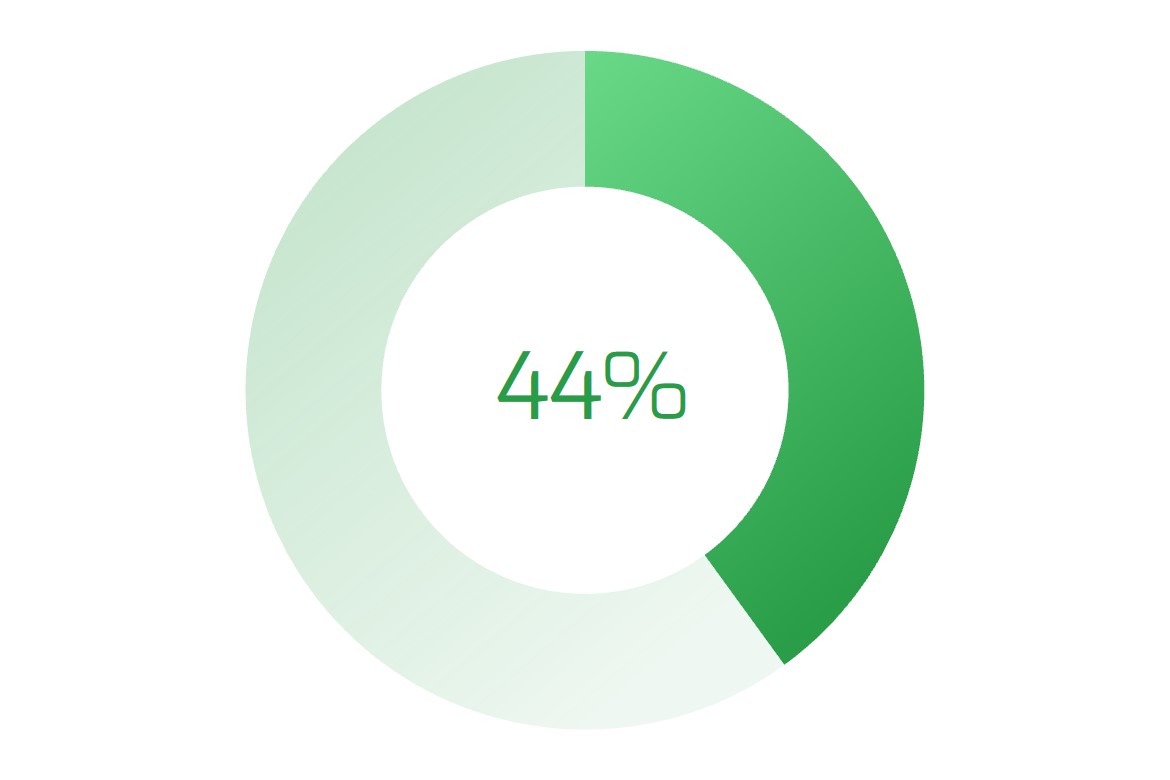
Master platform engineering
Survey results show more than a quarter of respondents (26%) have mastered platform engineering, compared to 41% who are still working toward applying platform engineering across multiple projects. (Source: Futurum Research)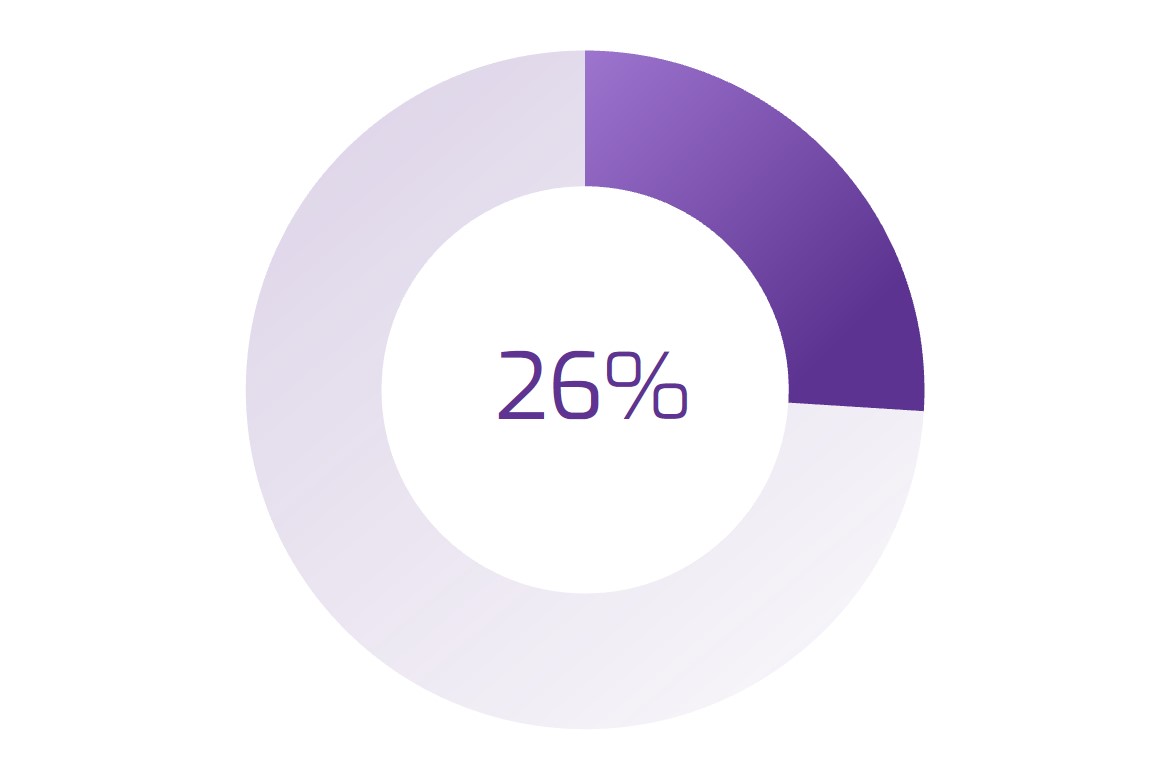
Lost hours for developers
69% of developers lose eight hours or more every week due to engineering inefficiencies such as technical debt, poor documentation, and inefficient development processes. (Source: Atlassian)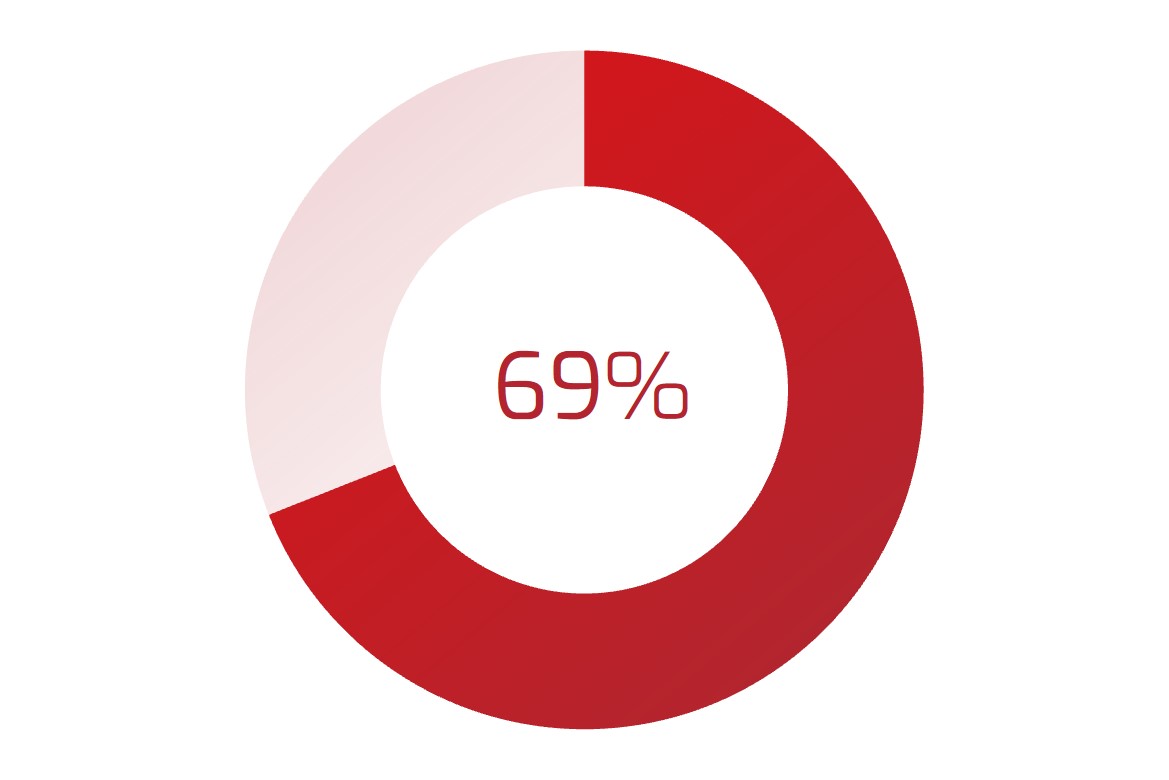
The platform engineering mindset shift
Platform engineering transforms infrastructure from a reactive operational function into a standardized, product-oriented capability that enables self-service, automation, and measurable business value.
Mindset
TRADITIONAL
Infrastructure delivered as projectsPLATFORM ENGINEERING
Infrastructure managed as productsPlatform capabilities become reusable products with defined ownership, lifecycle, and consumers.
Delivery
TRADITIONAL
Manual provisioningPLATFORM ENGINEERING
Automated provisioningStandardized templates and Infrastructure-as-Code replace repetitive manual configuration.
Consumption
TRADITIONAL
Ticket-based requestsPLATFORM ENGINEERING
Self-service consumptionConsumers provision approved services on demand through standardized platform capabilities.
Governance
TRADITIONAL
Approval gatesPLATFORM ENGINEERING
Embedded guardrailsSecurity, compliance, and governance become part of the platform rather than separate review processes.
Success
TRADITIONAL
Operational activityPLATFORM ENGINEERING
Business outcomesSuccess is measured through adoption, delivery speed, reliability, developer experience, and business value.
Info-Tech Insight
Platform engineering changes more than infrastructure delivery, it transforms how infrastructure is designed, consumed, governed, and measured. Organizations that embrace this shift create scalable platform capabilities that improve developer experience while strengthening operational consistency and governance.
See Appendix A.1 for a detailed comparison of traditional infrastructure operations and the platform engineering operating model.
Infrastructure platform engineering framework

STEP 1 — Assess Current State
Evaluate your current infrastructure, processes, and capabilities. Identify the strengths, gaps, and constraints affecting delivery.STEP 2 — Identify Platform Services
Identify high-value platform services that reduce complexity, improve reuse, and accelerate delivery.STEP 3 — Standardize & Automate
Standardize infrastructure and automate provisioning, configuration, and governance to improve consistency.STEP 4 — Productize Infrastructure
Package infrastructure into reusable platform products with defined ownership, lifecycle, and service expectations.STEP 5 — Enable Self-Service
Provide secure self-service through portals, APIs, automation, and embedded guardrails.STEP 6 — Measure Value
Measure adoption, reliability, performance, and business value to drive continuous improvement.
Info-Tech Insight
Platform engineering transforms infrastructure delivery by standardizing services, automating operations, and enabling self-service consumption. Follow this framework to build a scalable, reliable platform that accelerates delivery and drives long-term business value.
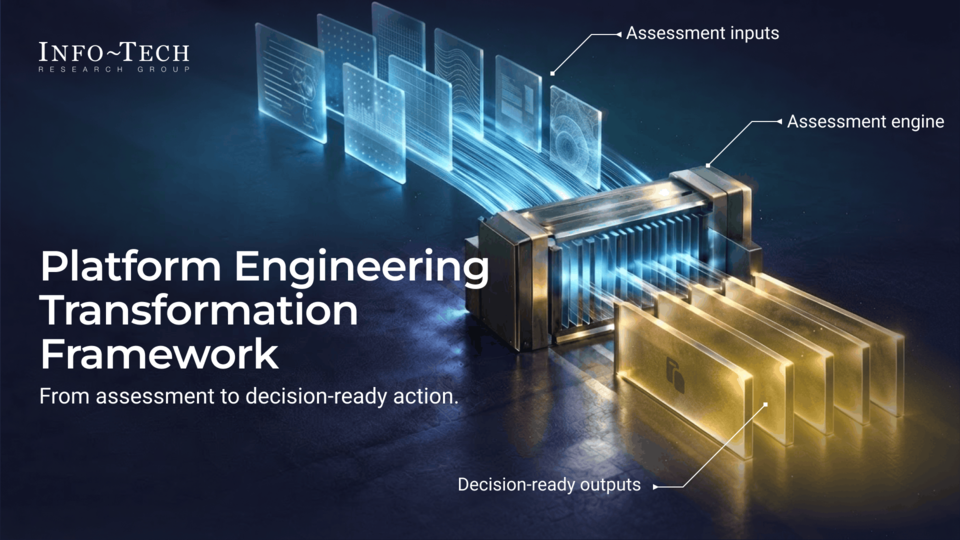
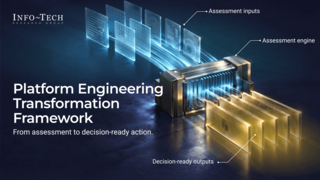
Platform engineering transformation framework
Platform engineering succeeds when organizations transform the operating model, not just the technology. By standardizing platform capabilities, defining ownership, and embedding governance, organizations create a scalable foundation that accelerates delivery, enables self-service, and delivers measurable business value.
ASSESSMENT INPUTS
- Current State Assessment
- Capability Classification
- Platform Operating Model
- Shared Responsibility
- Governance & Measurement
- Roadmap Priorities
PLATFORM ENGINEERING ASSESSMENT ENGINE
- Gap Analysis, Readiness Scoring, Decision Logic
- Prioritization, Recommendation Engine, Roadmaps
DECISION-READY OUTPUTS
- Capability Priorities
- Operating Model
- Governance Model
- Roadmap
- Executive Dashboard
- Executive Summary
ASSESS → ANALYZE → DESIGN → PRIORITIZE → RECOMMEND → EXECUTE
Executive summary
Info-Tech Insights
Platform engineering is an operating model.
Technology alone does not create a successful platform. Sustainable platform engineering requires clearly defined ownership, governance, and standardized capabilities, as well as product thinking that enables engineering teams to consume infrastructure consistently and at scale.
Standardization creates the foundation for self-service.
Automation and self-service are the outcomes of standardization, not the starting point. Establishing reusable patterns, governance guardrails, and common platform capabilities enables organizations to reduce operational complexity while improving delivery speed and consistency.
Business outcomes define platform success.
Platform engineering should be evaluated by the value it delivers to the organization, including improved developer experience, increased adoption, faster delivery, greater operational reliability, and stronger governance. These outcomes provide the evidence needed to continuously improve the platform and justify future investment.
Infrastructure platform maturity model
LEVEL 1 — Ticket-Based Infrastructure
Manual provisioning, email requests, reactive operationsLEVEL 2 — Infrastructure-as-Code
Emerging automation, templates, team-managedLEVEL 3 — Standardized Services
Common patterns, shared templates, governanceLEVEL 4 — Self-Service Platform
Automated provisioning, service catalog, self-serviceLEVEL 5 — Platform-as-a Product
Platform products, product ownership, adoption metrics
Workbook Output
Current-State Maturity Score
Example: Level 2.8
Infrastructure-as-Code Emerging
Score | Interpretation |
| 1.0 – 1.9 | Ticket-Based Infrastructure |
| 2.0 – 2.9 | Infrastructure-as-Code Emerging |
| 3.0 – 3.9 | Standardized Services |
| 4.0 – 4.9 | Self-Service Platform |
| 5.0 | Platform-as-a-Product |
Many organizations overestimate their platform engineering maturity because automation has advanced faster than governance, operating models, and platform product management (Source: Platform Engineering).
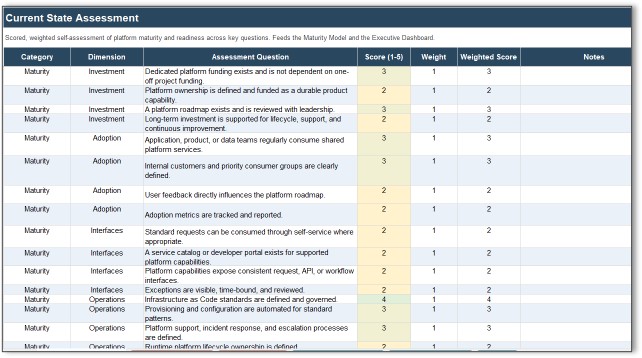
Current-state assessment approach
INPUTS
Infrastructure Metrics, Consumer Feedback, Service Requests, Automation Inventory, Governance ControlsASSESSMENT
Investment, Adoption, Interfaces, Operations, MeasurementOUTPUTS
Current-State Maturity, Capability Gaps, Improvement Priorities, Target-State Recommendations
What are our biggest delivery bottlenecks today?
1.1 Assess your current state
1-2 hoursInput: Current-State Assessment, Organizational Readiness Assessment
Output: Current-State Readiness Score, Capability Gap Analysis, Improvement Priorities
Materials: Infrastructure Platform Engineering Workbook, Existing Architecture Documentation (optional), Current Operating Procedures (optional)
Participants: Platform Engineering Lead, Platform Product Owner, Infrastructure & Cloud Engineering, Security / Governance Representatives, Application Development Representatives
- Evaluate your organization's current platform engineering maturity by identifying strengths, delivery challenges, and organizational constraints.
- Complete the current-state assessment to evaluate your organization’s platform engineering maturity, delivery model, governance, and operational capabilities.
- Assess organizational readiness by reviewing people, process, technology, and governance to identify strengths, constraints, and improvement opportunities.
- Review the assessment results to understand current maturity, identify capability gaps, and validate the highest-priority improvement areas.
- Confirm the findings with key stakeholders before progressing to capability planning and operating model design.
Download the Infrastructure Platform Engineering Operating Model Assessment & Design Workbook.
The five dimensions of platform engineering readiness
These five dimensions are used to assess platform engineering readiness, identify capability gaps, and establish a current-state maturity baseline.
Investment
Can we sustain platform products?
- Funding model
- Ownership
- Long-term commitment
Adoption
Will teams use the platform?
- Consumer demand
- Developer experience
- Shared service adoption
Interfaces
How are services consumed?
- Tickets
- APIs
- Portals
- Self-service
Operations
Can services be delivered consistently?
- Automation
- Infrastructure-as-Code
- Operational ownership
Measurement
Can success be demonstrated?
- Adoption metrics
- Service metrics
- Business outcomes
Workbook Evaluation Areas
- Investment — Sustainability
- Adoption — Consumer Value
- Interfaces — Service Access
- Operations — Service Delivery
- Measurement — Business Outcomes
WORKBOOK OUTPUT
Current-State Maturity Assessment
Level 2.8 – Infrastructure-as-Code Emerging
Info-Tech Insight
Platform engineering success depends on more than automation and tooling; organizations must demonstrate readiness across funding, adoption, service delivery, and measurement to sustain platform capabilities.
Common infrastructure bottlenecks
Platform engineering addresses recurring operational bottlenecks through standardization, automation, and reusable services.
Bottleneck | Business Impact | Platform Response |
Manual provisioning | Slower delivery | Automation |
Configuration drift | Operational risk | Standardization |
Security reviews | Delays | Policy-as-Code |
Environment inconsistency | Reliability issues | Reusable products |
Tool fragmentation | Increased complexity | Platform consolidation |
Knowledge silos | Dependency on experts | Self-service abstractions |
These bottlenecks occur throughout the traditional infrastructure delivery lifecycle.
See Appendix A.6 for an illustration of how these bottlenecks occur throughout the traditional infrastructure delivery lifecycle.
Platform service selection framework
The objective is not to build every platform service. Focus first on services that are frequently requested, highly repeatable, and strong candidates for self-service consumption.
Compute Platform
- Virtual machines
- Container platforms
- Serverless runtimes
Data Platform
- SQL
- NoSQL
- Managed databases
Storage Platform
- Object storage
- File services
- Block storage
Network Platform
- VPCs
- Load balancers
- DNS
Identity Platform
- IAM
- Role management
- Federation
Security Platform
- Logging
- Monitoring
- Policy enforcement
Evaluation Criteria
Criteria | Description |
| Demand | How frequently the service is requested |
| Standardization Potential | Ability to create common patterns |
| Governance Benefit | Security and compliance value |
| Automation Potential | Suitability for automation |
| Strategic Value | Alignment with organizational priorities |
Workbook Output: Top-Ranked Platform Products
Identity Platform, VM Provisioning, Database Platform, Kubernetes Platform, Storage Platform
What defines an infrastructure platform product?
Infrastructure becomes a platform product when it is standardized, owned, governed, documented, and continuously improved throughout its lifecycle.
Infrastructure Platform Product
Reusable, Standardized, Governed, Consumer Focused
Ownership
Owns roadmap & outcomesAutomation
Automates provisioningDocumentation
Guidance, APIs & examplesSuccess Measures
Adoption, reliability & valueGovernance
Security built in by designSupport
Quick help & escalationLifecycle
Plan, deliver, support, retire
Product Definition Template
For every platform product, define:
- Product Owner
- Target Consumers
- Business Value
- Service Description
- Standard Offering
- Service Levels (SLAs)
- Security & Governance Requirements
- Lifecycle & Support Model
- Success Metrics
Info-Tech Insight
Infrastructure products combine technology, governance, ownership, and operational practices into reusable services that can be consumed consistently across the organization. Automation enables delivery, but product management sustains long-term value.
See Appendix A.2 for an example of how platform engineering transforms a traditional infrastructure request into a self-service platform experience. Additional guidance on why standardization should precede automation is provided in Appendix A.3.
Infrastructure platform reference architecture
BUSINESS VALUE | OWNERSHIP | |
Fast Delivery | CONSUMER EXPERIENCE Developer Portal, APIs, Self-Service | Application Teams |
Reusable Services | PLATFORM PRODUCTS Consumer-facing reusable services VM, Kubernetes, Database, Storage | Platform Engineering |
Standardization | PLATFORM CAPABILITIES Reusable engineering capabilities IaC, CI/CD, Automation, Templates | Platform Engineering |
Operational Consistency | GOVERNANCE & OPERATING MODEL Policy, Security, Identity, Standards | Platform + Security |
Reliability | INFRASTRUCTURE FOUNDATION Compute, Network, Storage, Cloud | Cloud / Infrastructure Operations |
Each layer builds on the one below, transforming infrastructure into reusable platform capabilities that deliver measurable business value.
This Workbook Produces
- Target Operating Model
- Capability Priorities
- Shared Responsibility Model
- Governance Framework
Info-Tech Insight
The platform engineering operating model separates infrastructure into logical layers that standardize delivery, embed governance, and abstract technical complexity. Each layer enables the one above, allowing consumers to focus on using services rather than managing infrastructure.
See Appendix A for additional platform engineering reference material, including standardization, golden paths, and portal-first design patterns.
Organizational readiness
Platform engineering success depends on more than technology. Organizations must align people, processes, technology, and governance to establish a sustainable operating model that can scale over time.
People
- Skills and experience
- Platform roles
- Leadership support
- Change readiness
Process
- Standardization
- Automation
- Service lifecycle
- Product management
Technology
- Infrastructure automation
- Tool integration
- Self-service capabilities
- Observability
Governance
- Policies
- Security
- Compliance
- Measurement
Workbook Readiness Assessment
Assessment Areas
Executive Sponsorship, Funding Model, Product Ownership, Governance Support, Skills & Resources
Platform Readiness Score
| Score | Status |
| 4.0+ | Ready |
| 3.0 – 3.9 | Partially Ready |
| ‹ 3.0 | Significant Gaps |
Workbook Assessment
Evaluates
- People
- Process
- Technology
- Governance
Generates
- Organizational Readiness Score
- Priority Improvement Areas
- Executive Recommendations
1.2 Design your target operating model
2-3 hoursInput: Capability Classification, Platform Operating Model, Shared Responsibility, Measurement Framework
Output: Target Operating Model, Governance Model, Recommended Team Structure, Measurement framework
Materials: Infrastructure Platform Engineering Workbook
Participants: Platform Engineering Lead, Platform Product Owner, Infrastructure & Cloud Engineering, Security / Governance Representatives, Application Development Representatives
- Review the prioritized platform capabilities identified in the capability classification and confirm which capabilities are required to support your target platform engineering service.
- Define the target operating model by reviewing the recommended team structure, shared responsibilities, governance approach, and platform ownership model. Adjust recommendations where necessary to reflect your organization’s structure and business objectives.
- Validate governance and success measures by confirming decision ownership, measurement criteria, and the KPIs that will be used to evaluate platform adoption and business value.
- Review the workbook recommendations with key stakeholders and agree on the target operating model that will guide implementation planning.
Download the Infrastructure Platform Engineering Operating Model Assessment & Design Workbook.
Reference operating model
A platform engineering capability is built around clearly defined product ownership, engineering, operations, governance, and enablement functions that work together to deliver platform services as an internal product.
Workbook Output
- Recommended Team Structure
- Recommended Shared Roles
- Ownership Guidance
- Operating Model
PLATFORM ENGINEERING LEAD
Strategy, Stakeholder Alignment, Investment Priorities, Roadmap Oversight
PLATFORM PRODUCT OWNER
Product Vision, Roadmap, Consumer Engagement, Prioritization, Success Metrics
- Engineering
Responsibilities- Capabilities
- IaC
- Automation
- Reusable
- Products
- Ops / SRE
Responsibilities- Reliability
- Availability
- Monitoring
- Incidents
- Lifecycle
- Security
Responsibilities- Policy
- Guardrails
- Identity
- Compliance
- Risk
- Enablement
Responsibilities- Documentation
- Portal
- Training
- Onboarding
- Dev Experience
Shared Services
Often shared org-wide:
- Enterprise Security
- Enterprise Architecture
- FinOps
- Compliance
- Operations
Supporting Specialists: Cloud Engineers, Infrastructure Automation, Developer Experience Engineers, FinOps, Technical Writer
Info-Tech Insight
A reference operating model provides a proven structure for organizing platform ownership, engineering, governance, and enablement. Organizations should adapt the model to reflect their size, skills, and business priorities.
Platform service prioritization matrix
WORKBOOK OUTPUT
Top Platform Services Recommended for Productization
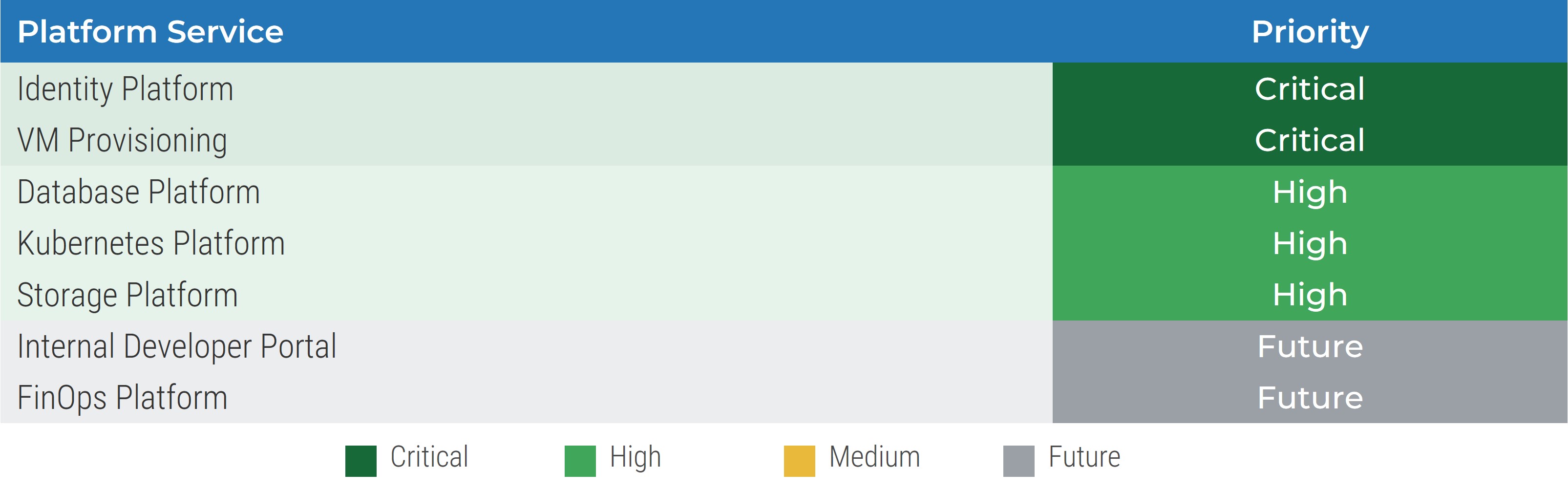
Not every infrastructure service should become a platform product. Prioritize services that provide the greatest combination of demand, governance value, standardization potential, and automation opportunity.
About Info-Tech
Info-Tech Research Group is the world’s fastest-growing information technology research and advisory company, proudly serving over 30,000 IT professionals.
We produce unbiased and highly relevant research to help CIOs and IT leaders make strategic, timely, and well-informed decisions. We partner closely with IT teams to provide everything they need, from actionable tools to analyst guidance, ensuring they deliver measurable results for their organizations.
What Is a Blueprint?
A blueprint is designed to be a roadmap, containing a methodology and the tools and templates you need to solve your IT problems.
Each blueprint can be accompanied by a Guided Implementation that provides you access to our world-class analysts to help you get through the project.
Talk to an Analyst
Our analyst calls are focused on helping our members use the research we produce, and our experts will guide you to successful project completion.
Book an Analyst Call on This Topic
You can start as early as tomorrow morning. Our analysts will explain the process during your first call.
Get Advice From a Subject Matter Expert
Each call will focus on explaining the material and helping you to plan your project, interpret and analyze the results of each project step, and set the direction for your next project step.
Unlock Sample Research Create a Service Management and IT Operations Strategy
 Optimize the IT Operations Center
 Improve Incident and Problem Management
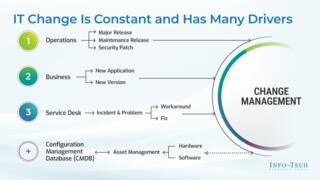 Optimize IT Change Management
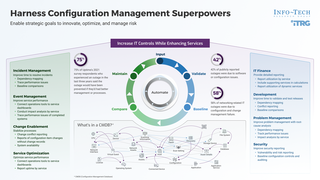 Harness Configuration Management Superpowers
 Develop Infrastructure & Operations Policies and Procedures
 Stabilize Release and Deployment Management
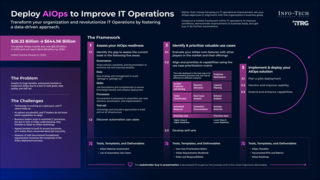 Deploy AIOps to Improve IT Operations
 Improve IT-Business Alignment Through an Internal SLA
 Implement Infrastructure Shared Services
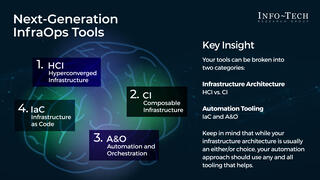 Next-Generation InfraOps
 Reduce Manual Repetitive Work With IT Automation
 Take Control of Cloud Costs on AWS
 Take Control of Cloud Costs on Microsoft Azure
 Govern Shared Services
 Take Control of Infrastructure and Operations Metrics
 Engineer Your Event Management Process
 Design Your Cloud Operations
 Build a Continual Improvement Program
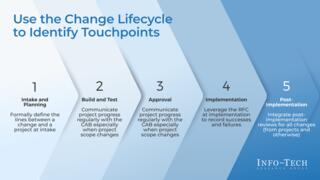 Align Projects With the IT Change Lifecycle
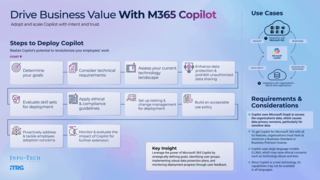 Drive Business Value With Microsoft 365 Copilot
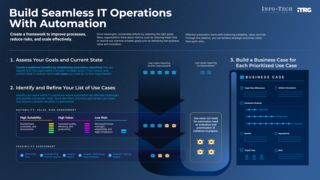 Build Seamless IT Operations With Automation
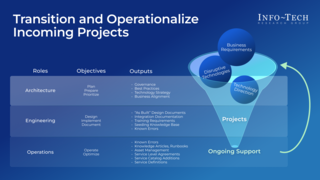 Transition and Operationalize Incoming Projects
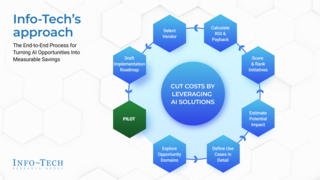 Cut Costs by Leveraging AI Solutions
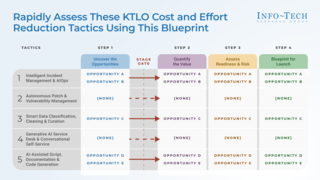 Harness AI to Reduce the Cost and Effort of KTLO in IT Operations
 AI in Seven Charts
 Emerging AI Trends and Predictions From Our Global Technical Counselor Team
 People Change in the Face of Disruptive Technology
 Lead IT Like a Business: Every Dollar Is a Decision
 Optimize Cloud & AI Spend With Agentic FinOps
 Beyond Firefighting: Tactics to Elevate Your Role in Infrastructure & Operations
 Influence Unleashed: The IT Leader’s Superpower
 The Challenge of Ethics in the Use of AI
 Introducing the Info-Tech Speakers Bureau
 Inside the Agentic Enterprise
 Agents 2.0: From Autonomy to Architecture
 Agentic IT: From Hype to Value
 Tech Trends 2027 Keynote
 Become an Exponential CIO
 Beyond the Agent: The Leadership Ecosystem for an AI-Enabled World
 Five Key Takeaways From Info-Tech LIVE 2026
 Transform Infrastructure Delivery Through Platform Engineering